












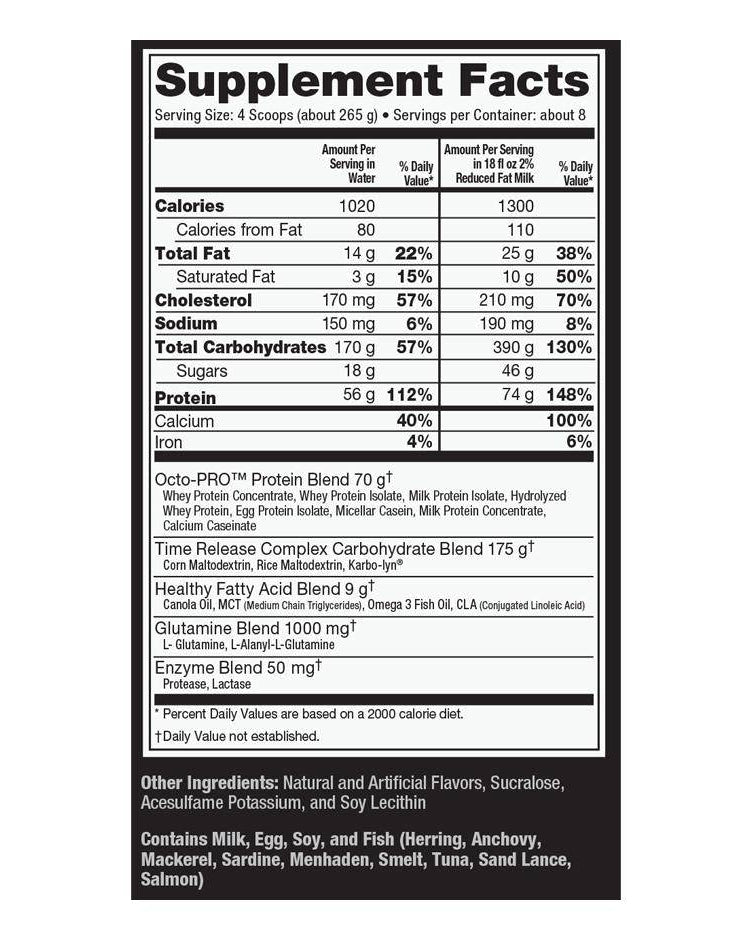
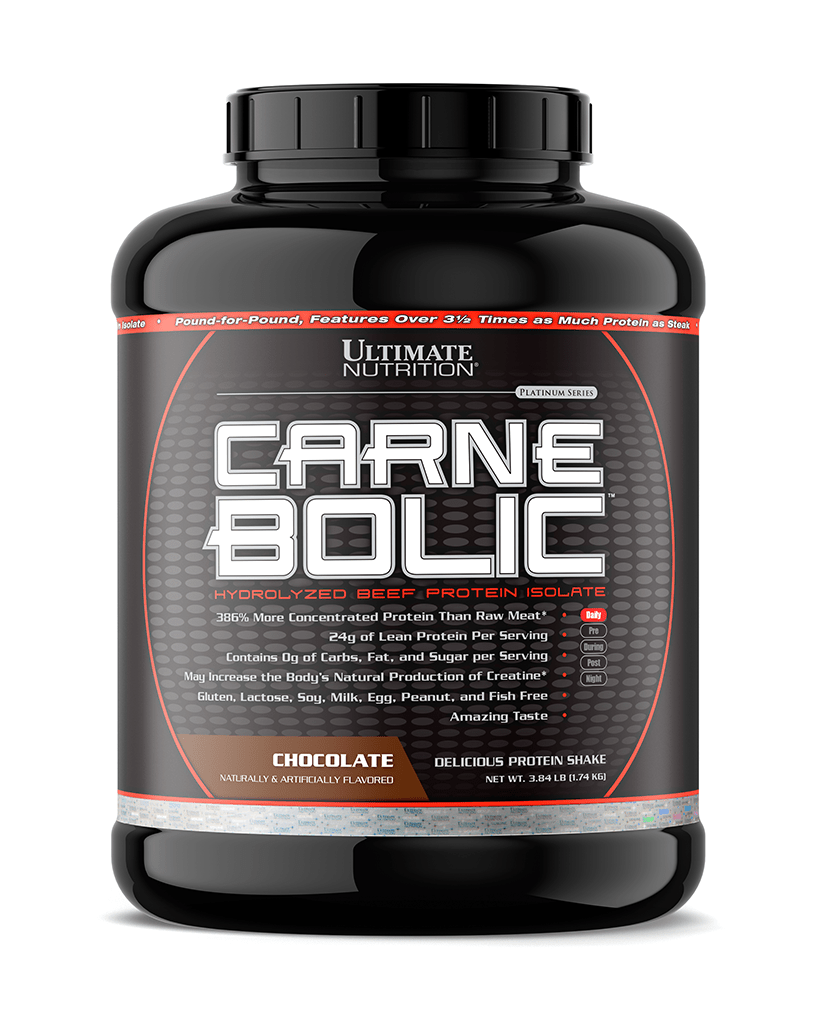
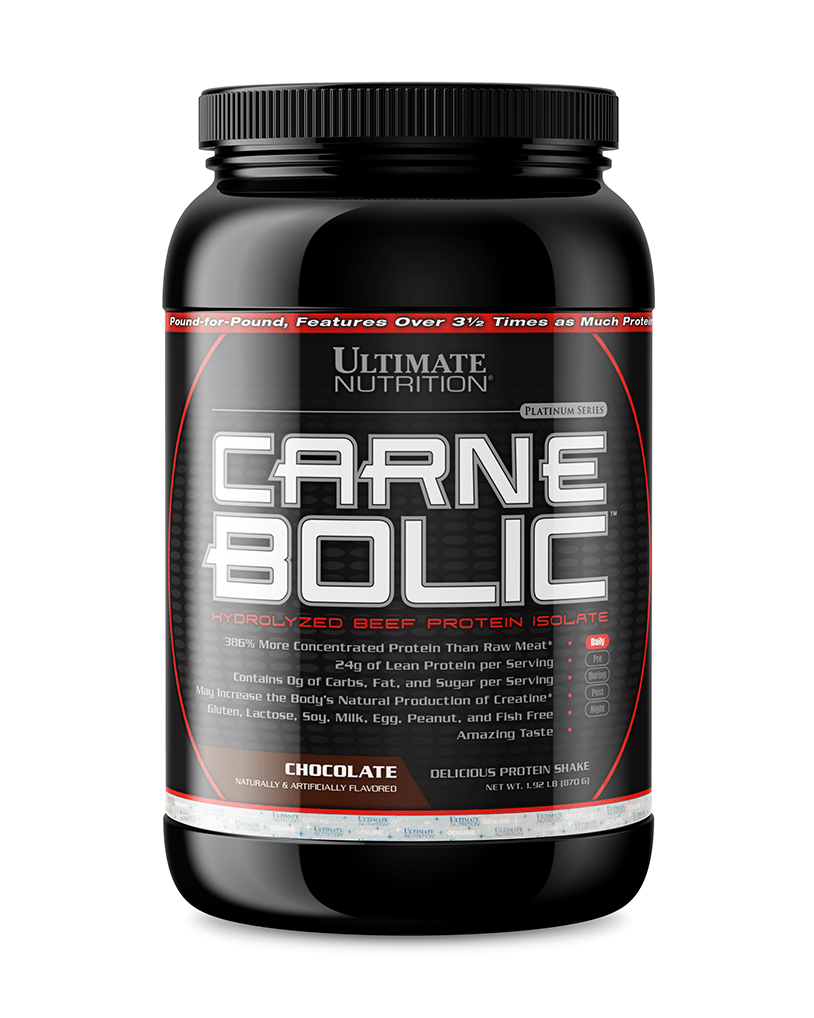
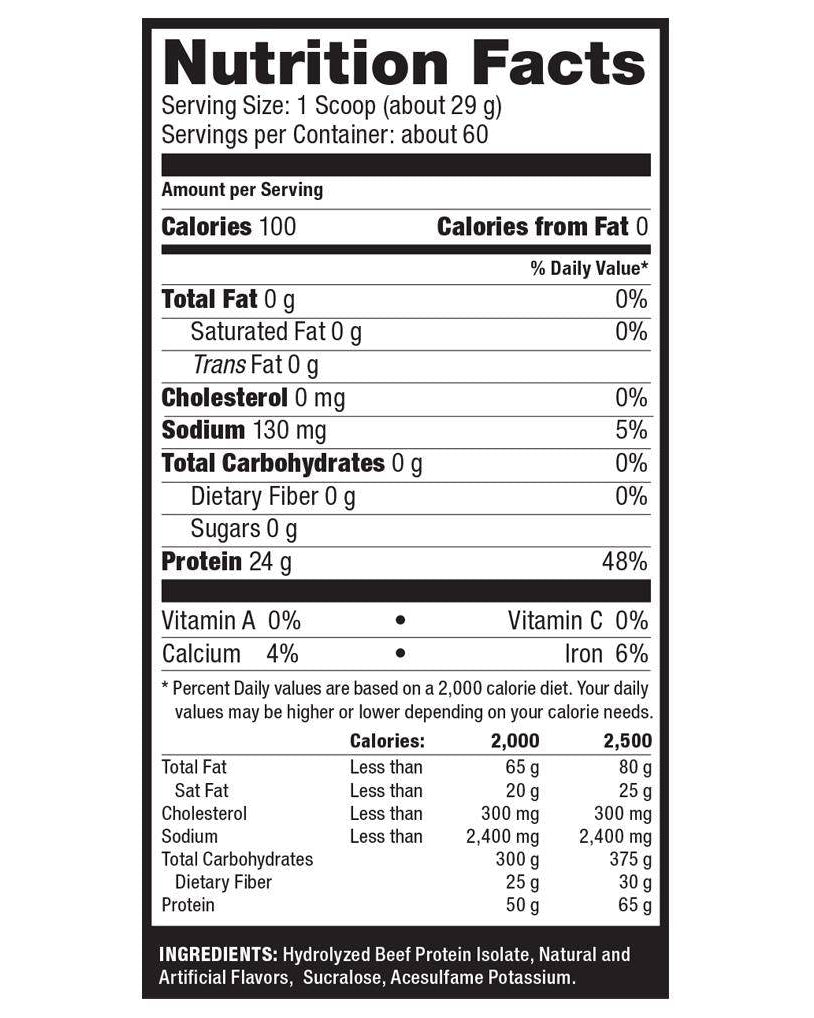
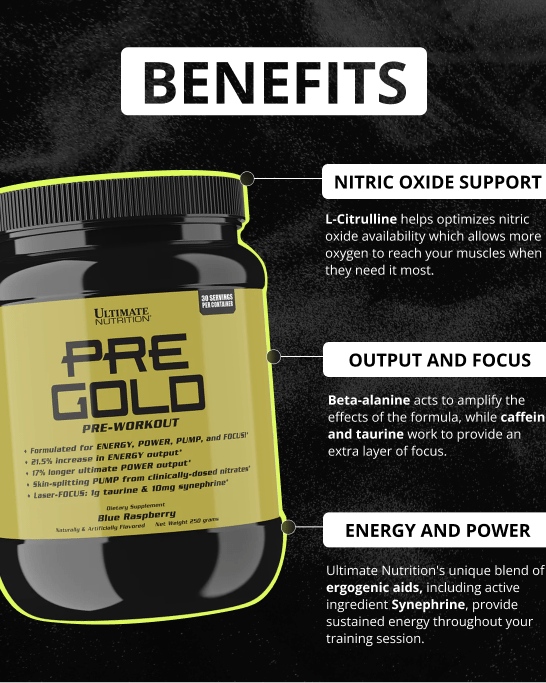

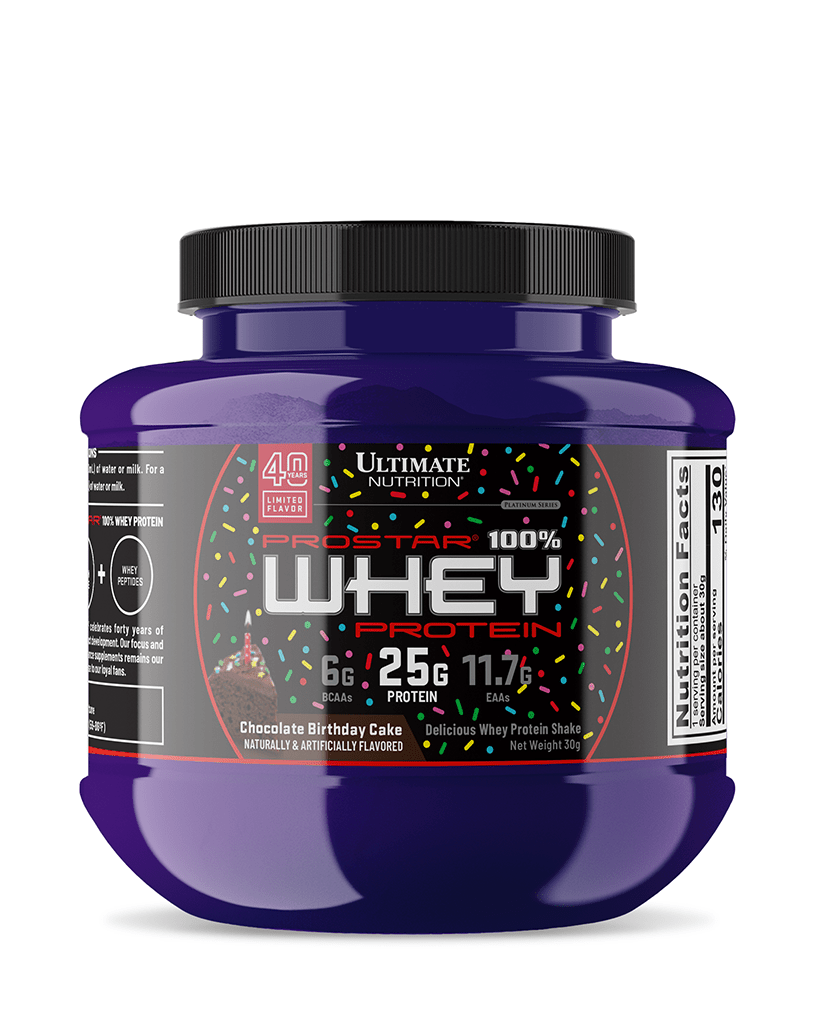
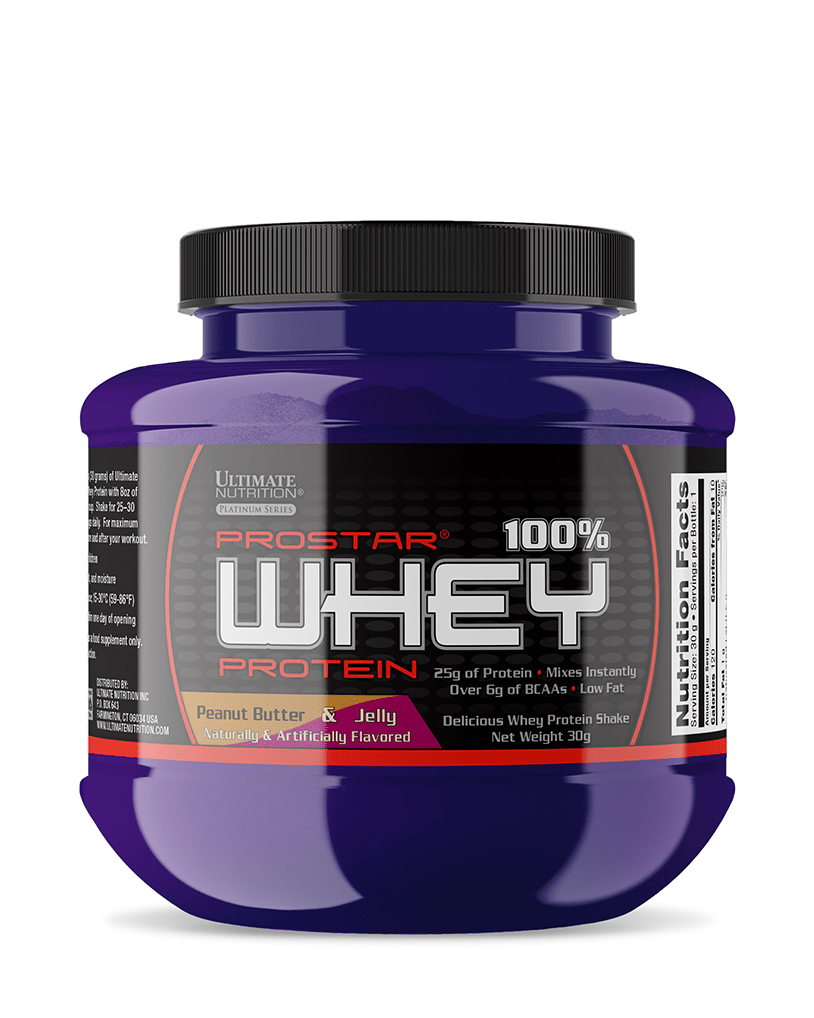
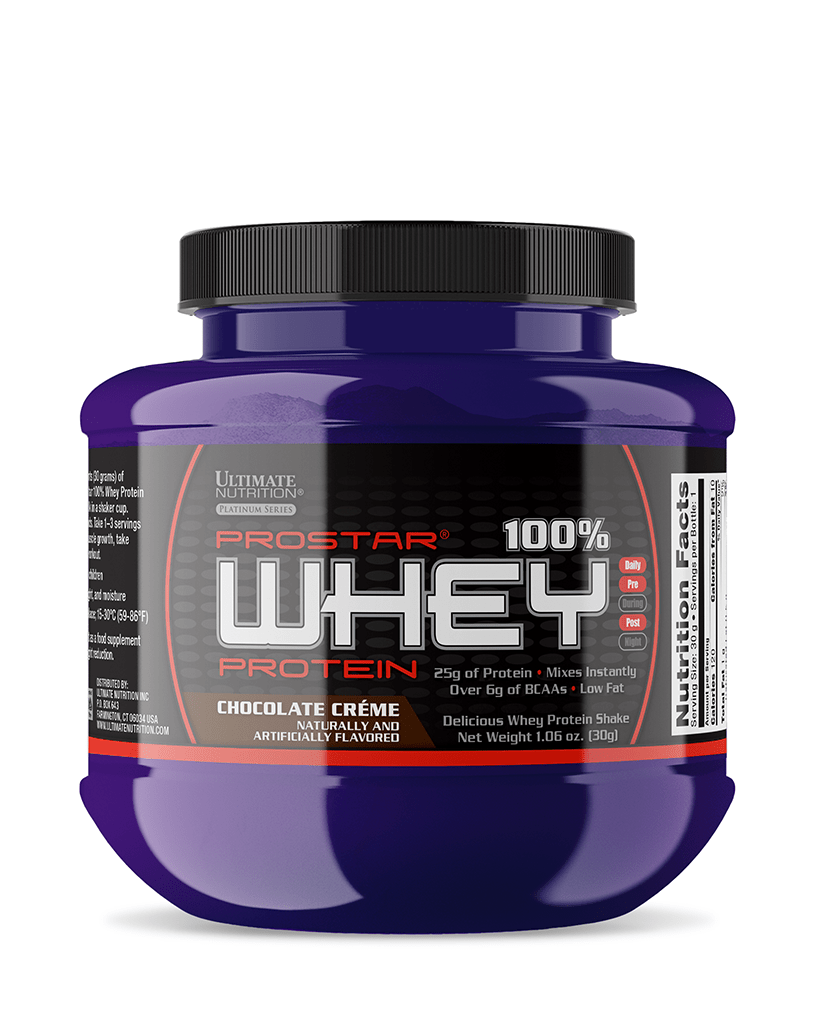
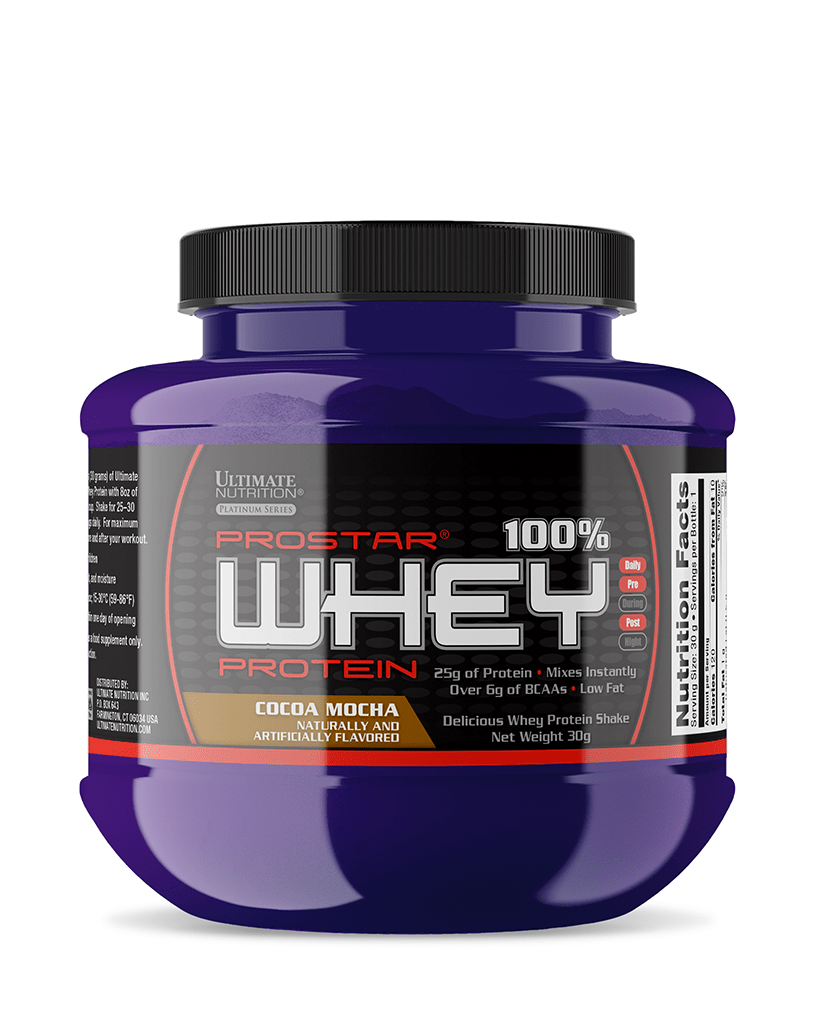
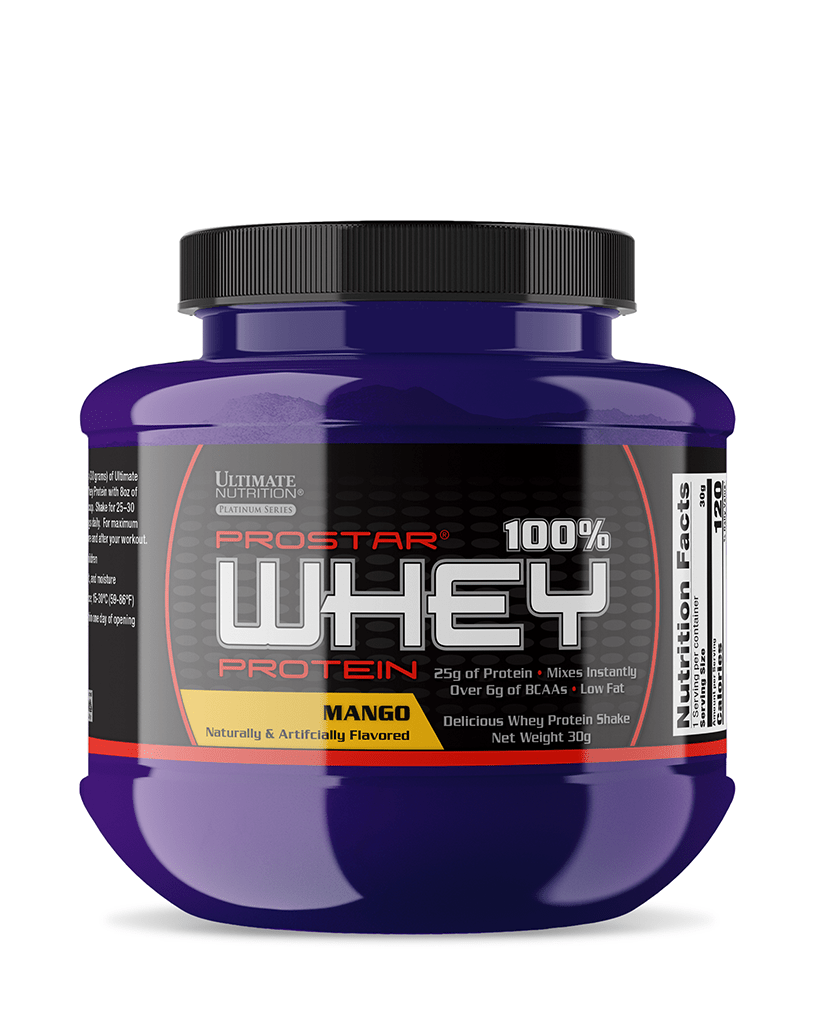
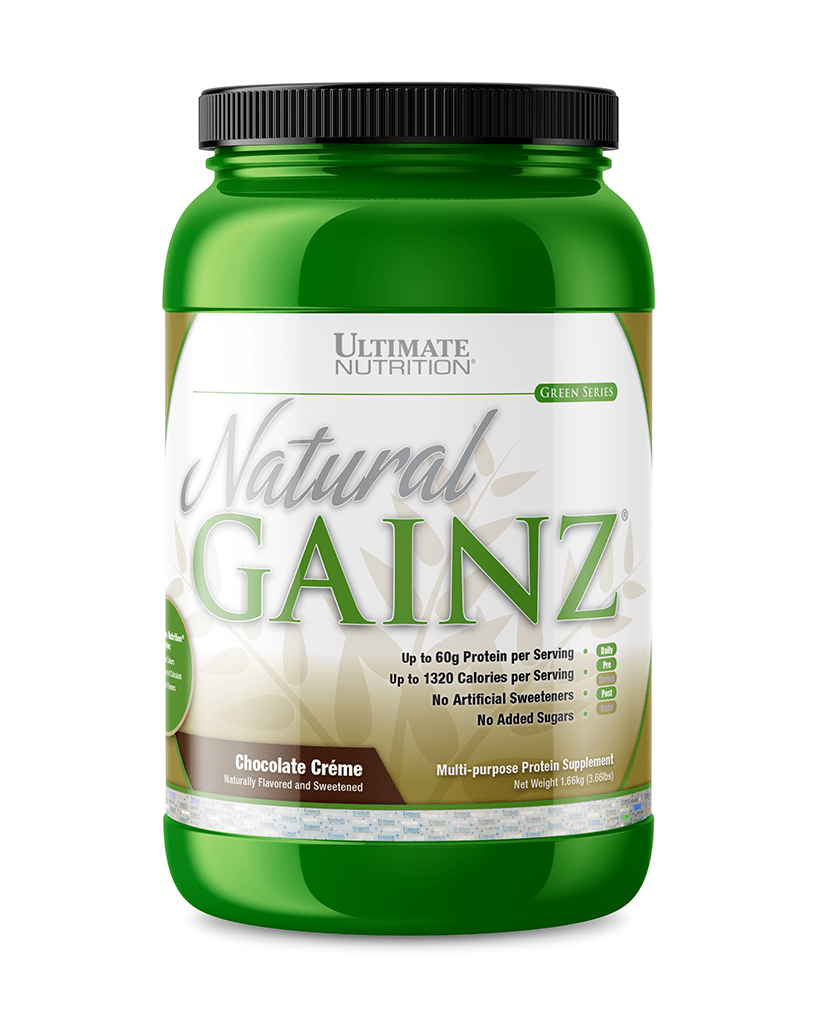
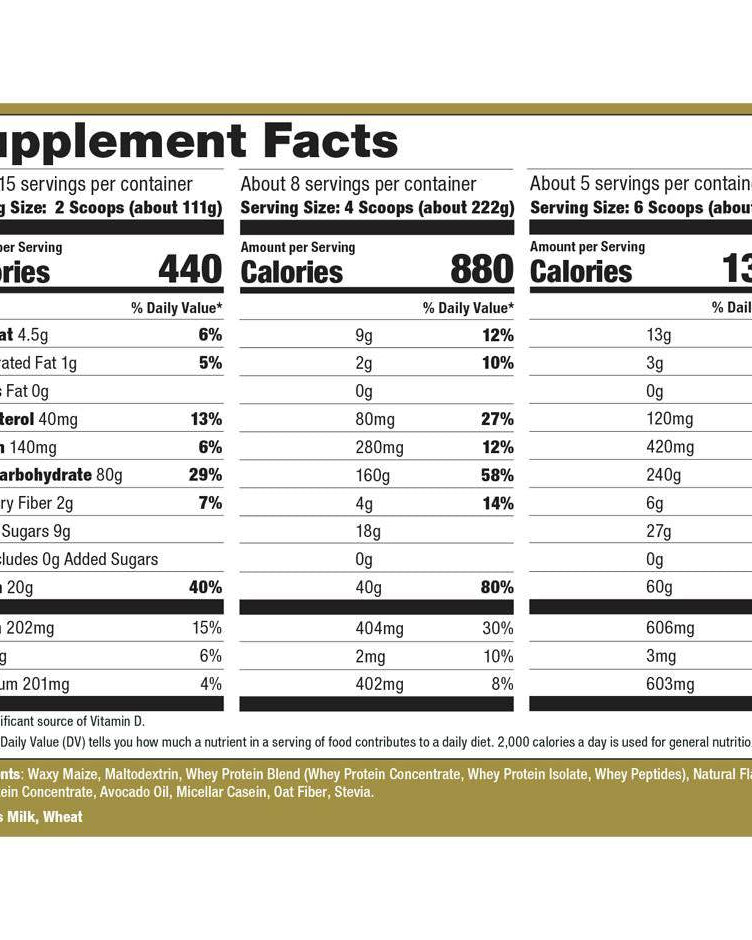
Ultimate Nutrition Amino Bolic is a free-form amino acid complex that supplies several of the amino acids most needed by the body, in easy to swallow (and easy to take along to the gym) caplets.

Click Here For More Info...

TESTOSTROGROW 2 HP is a versatile time-release anabolic stack that combines the most effective testosterone stimulators available.

Click Here For More Info...

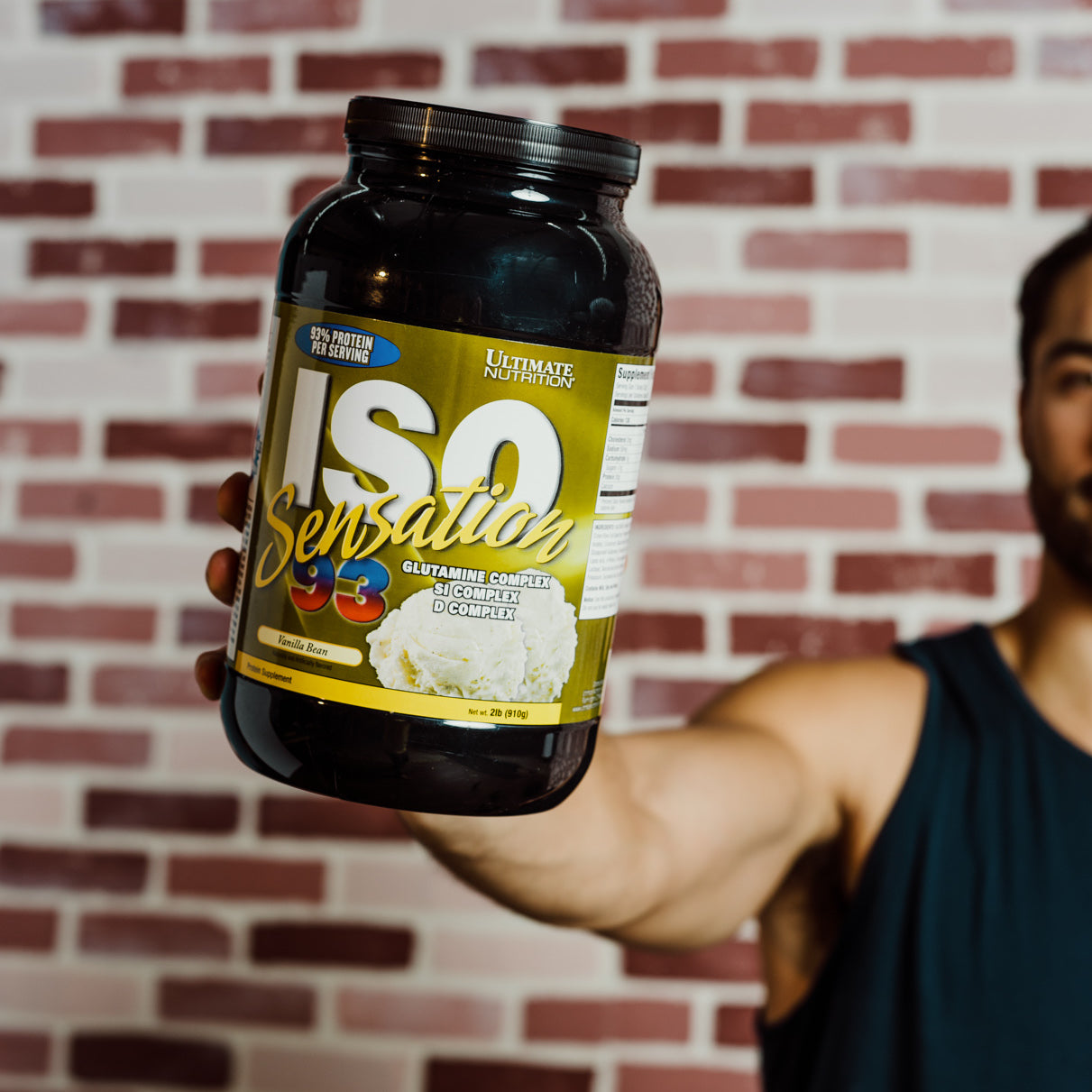
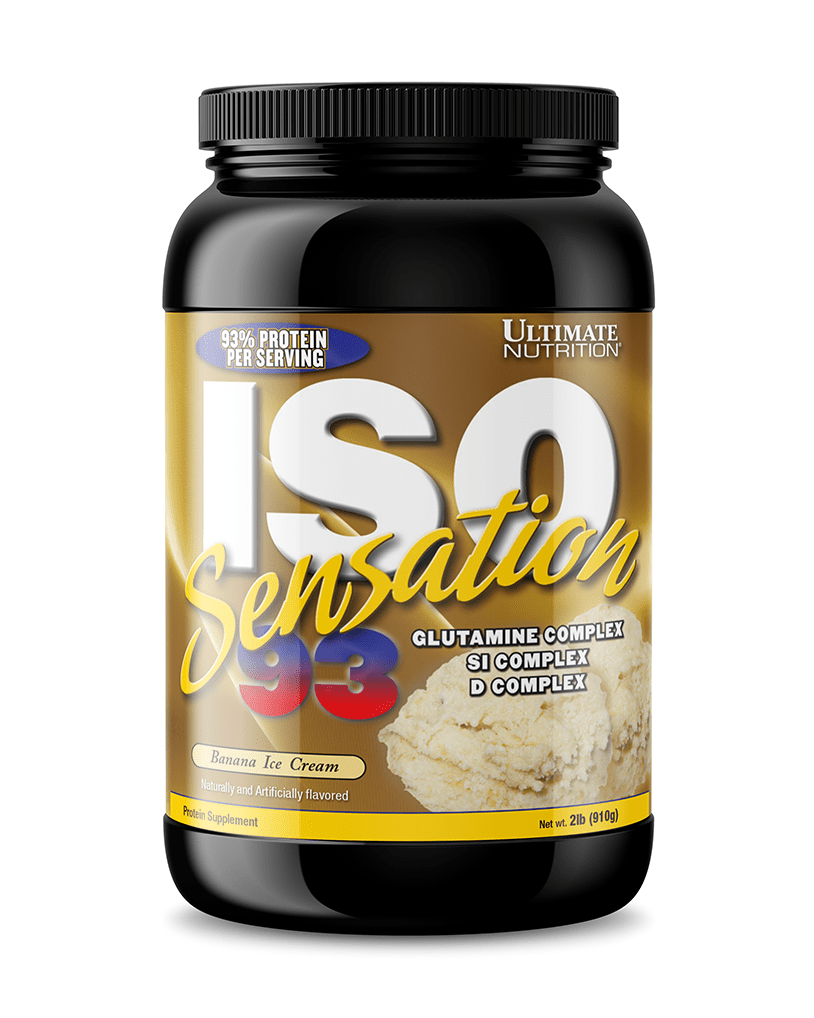
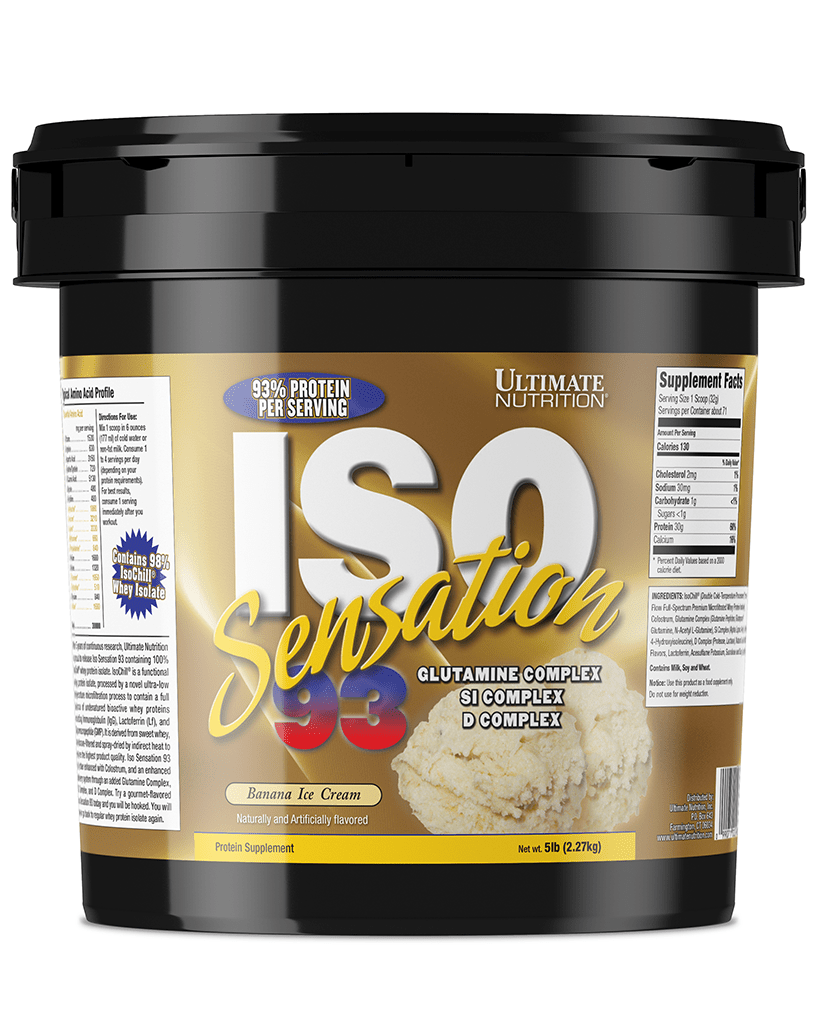
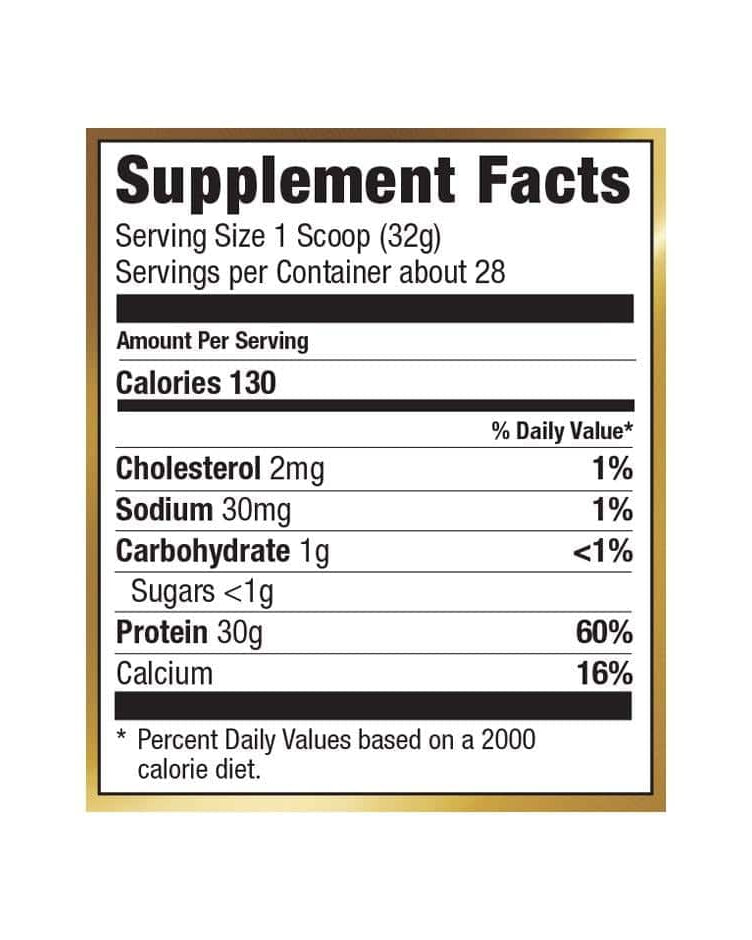
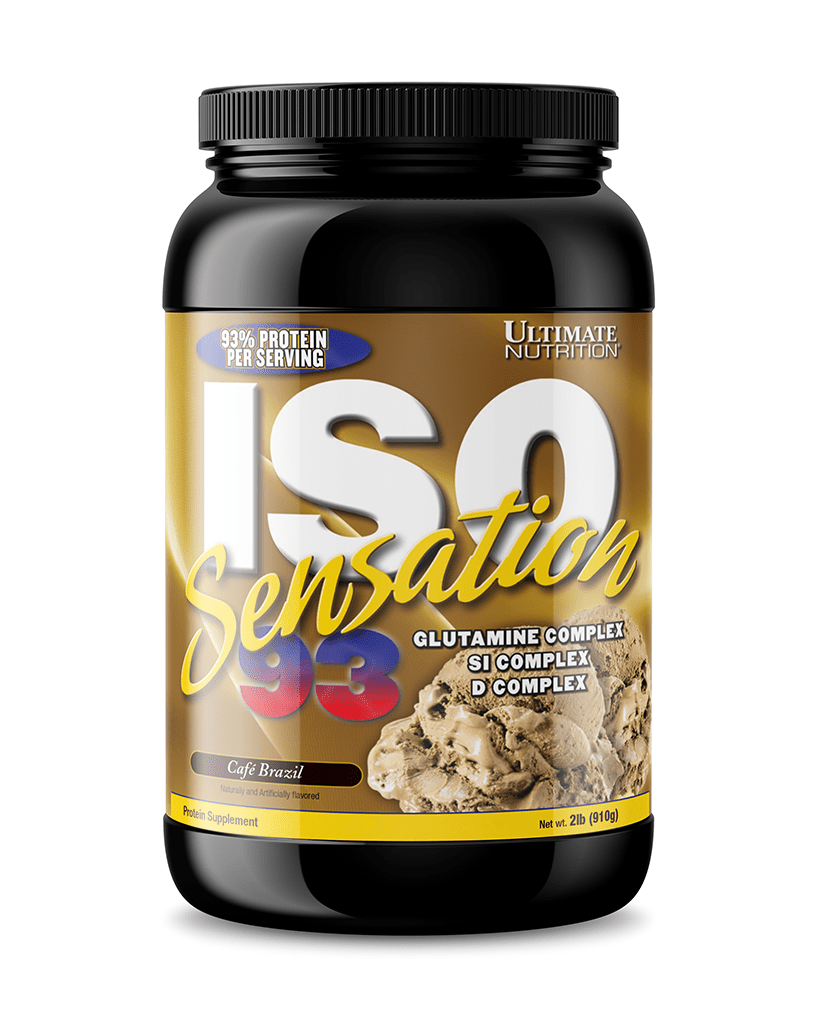
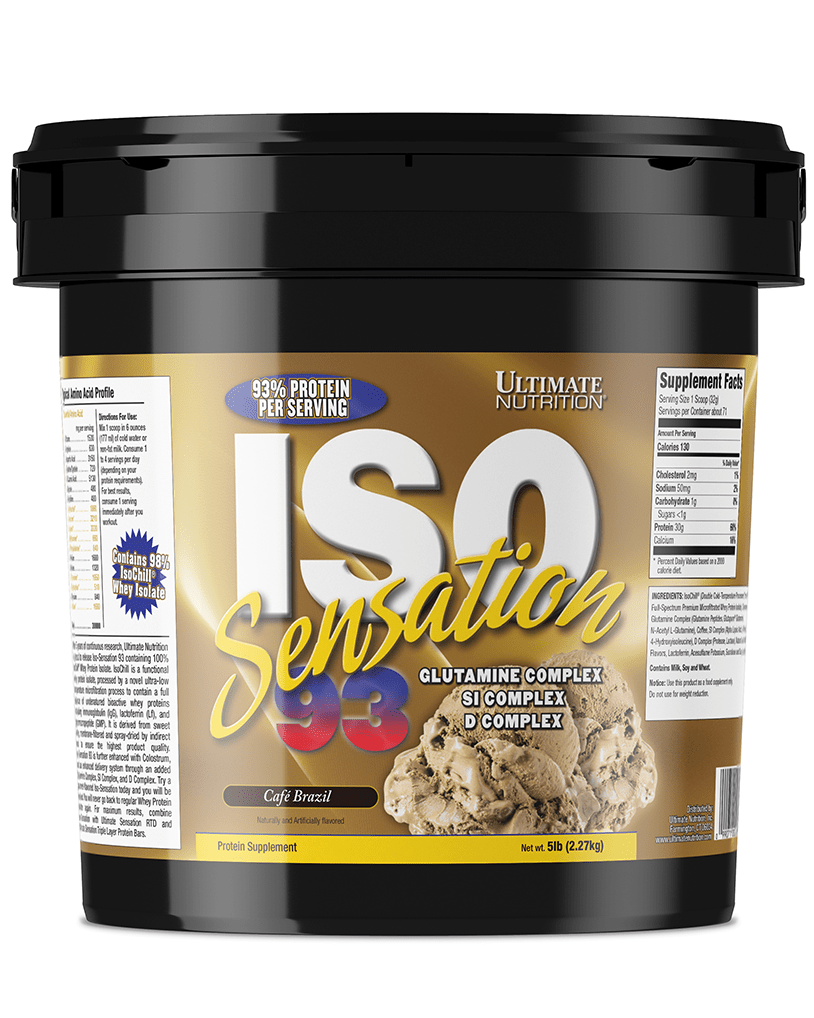
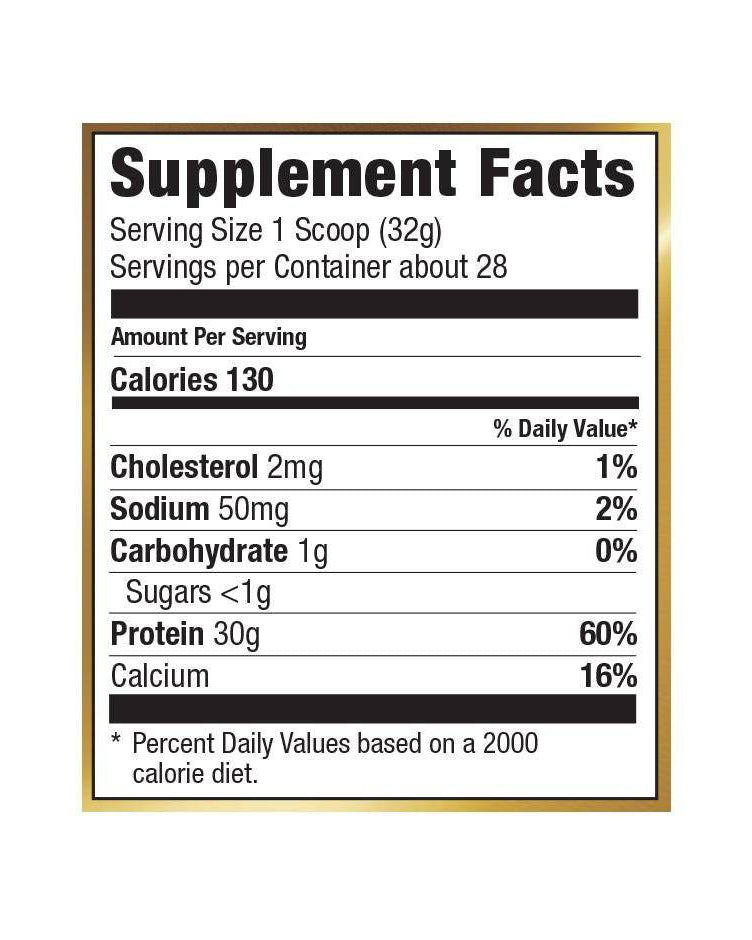
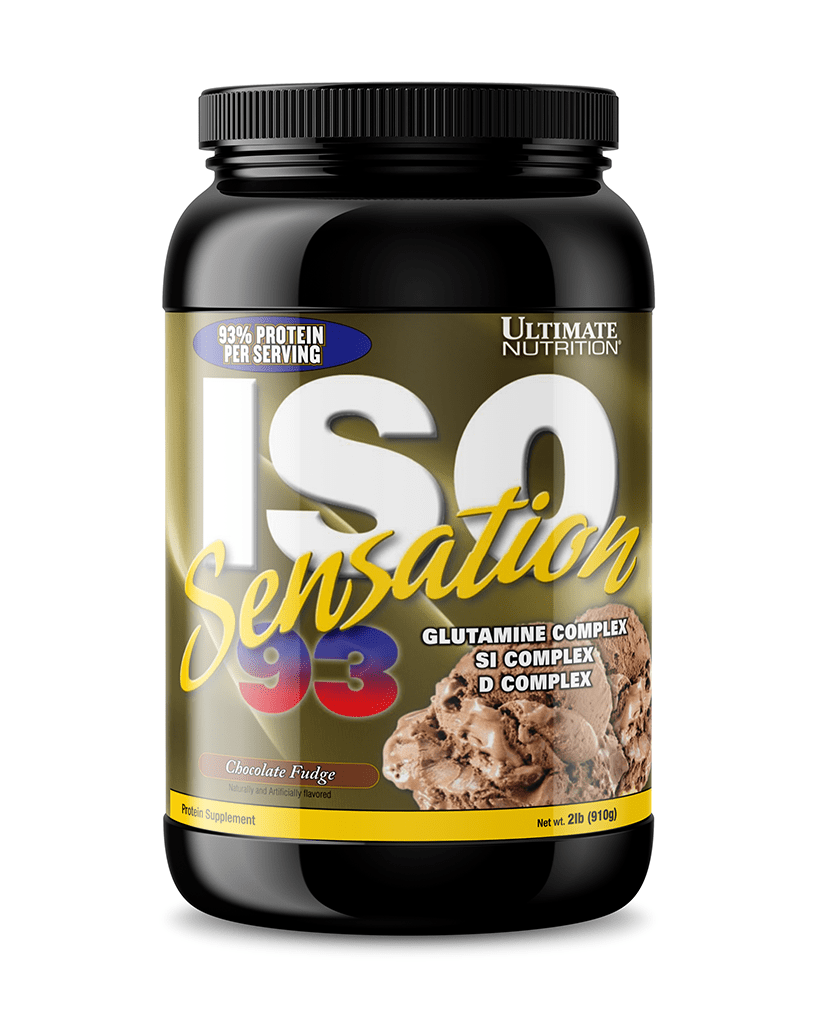
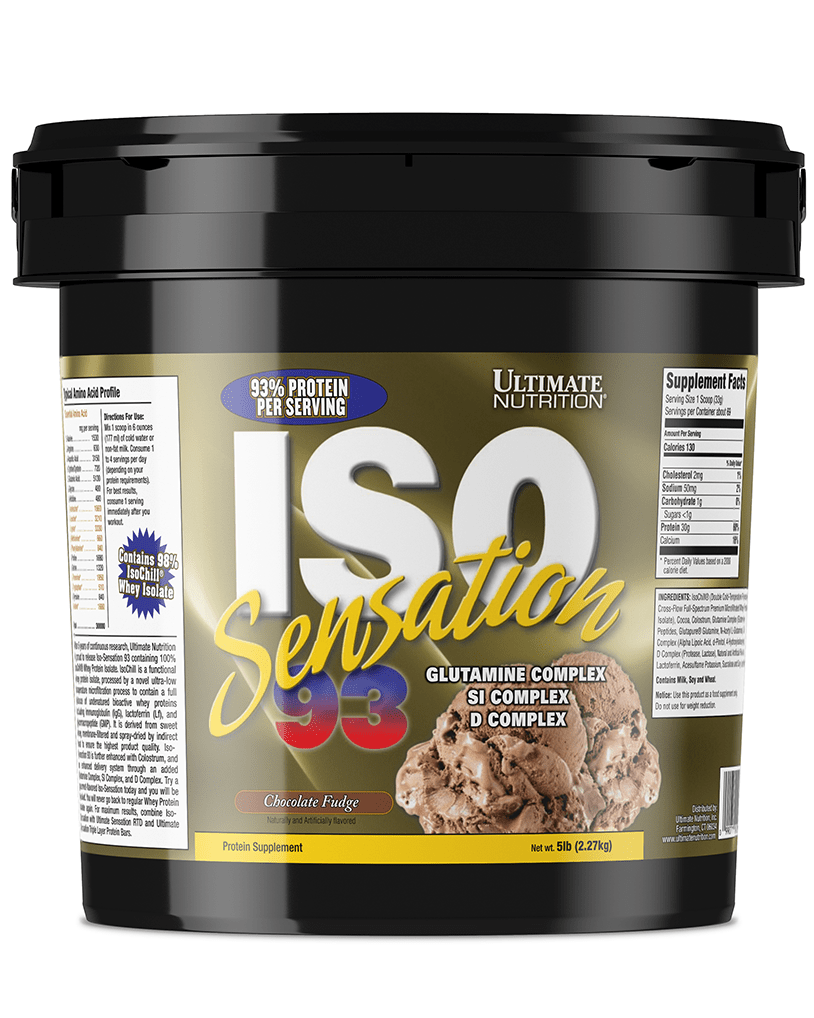
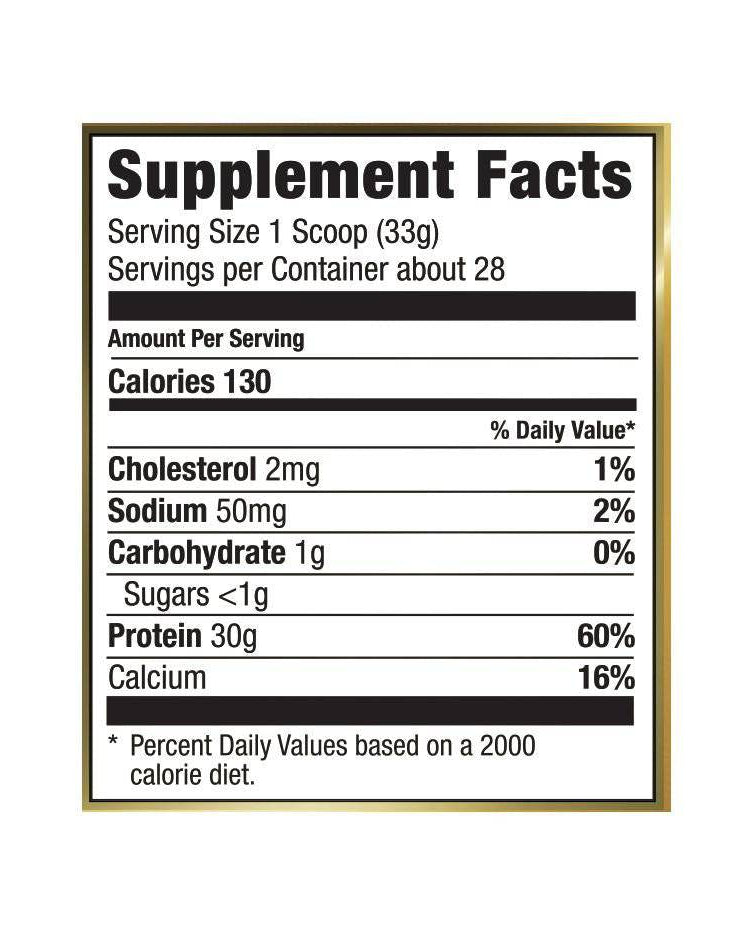
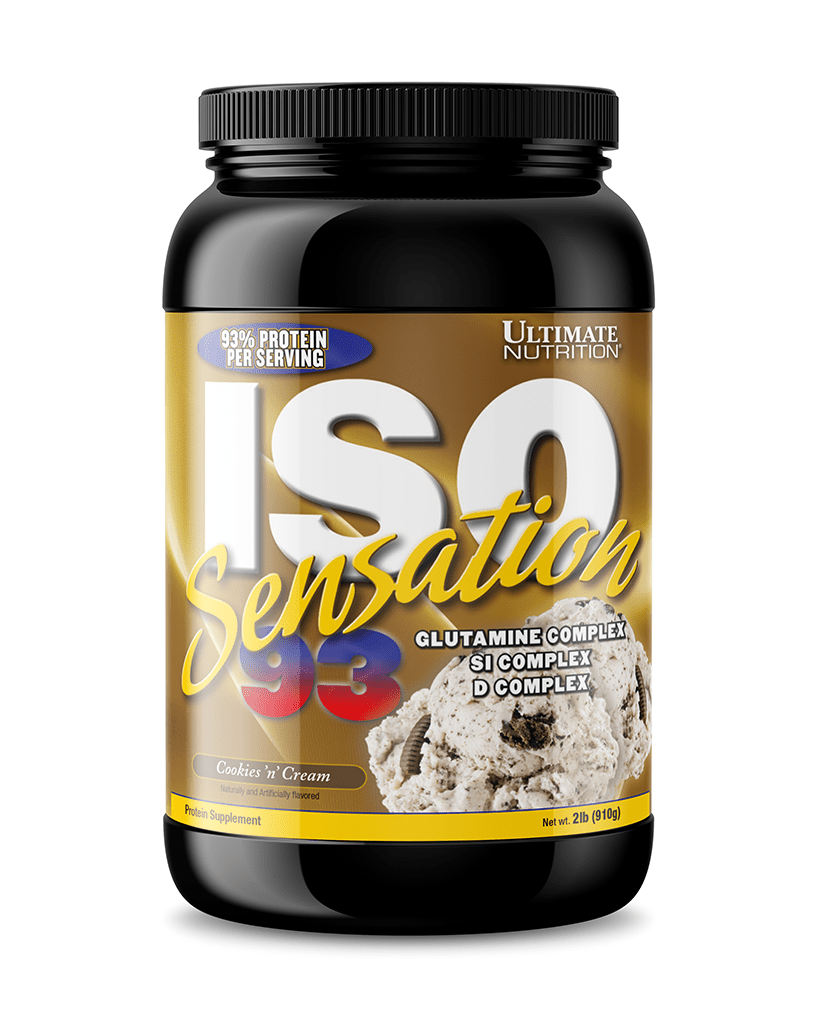
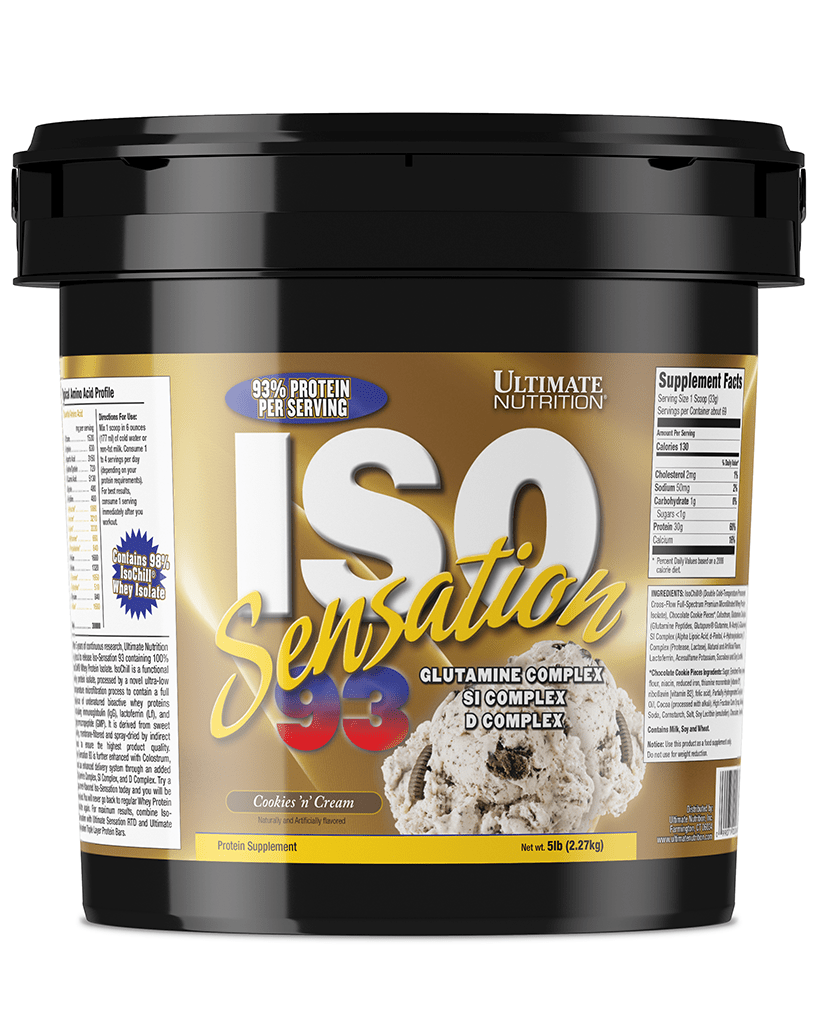
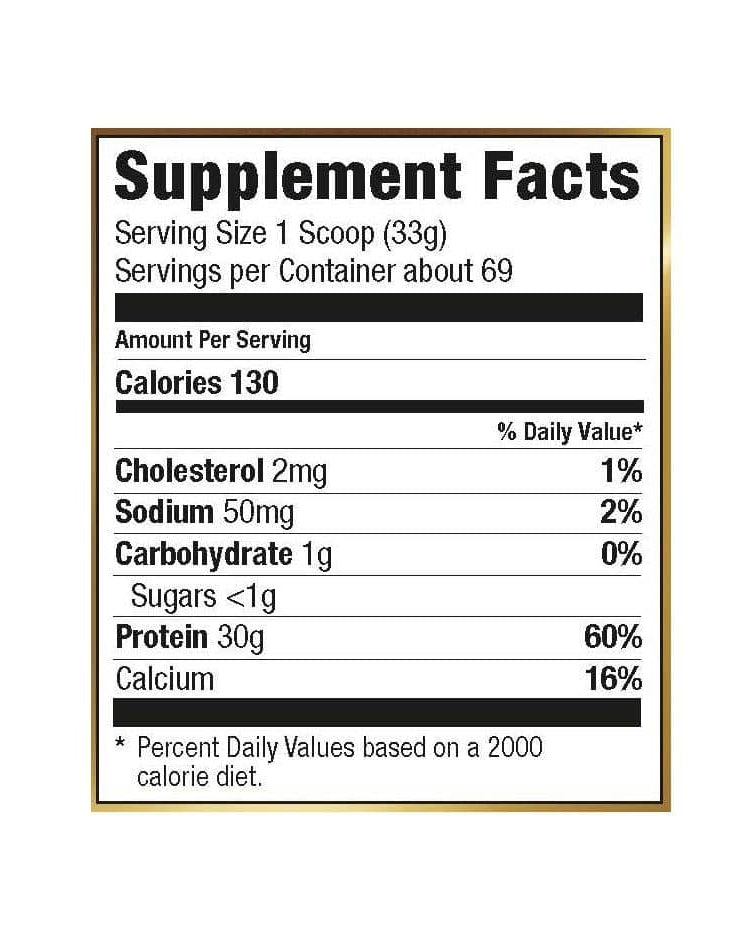
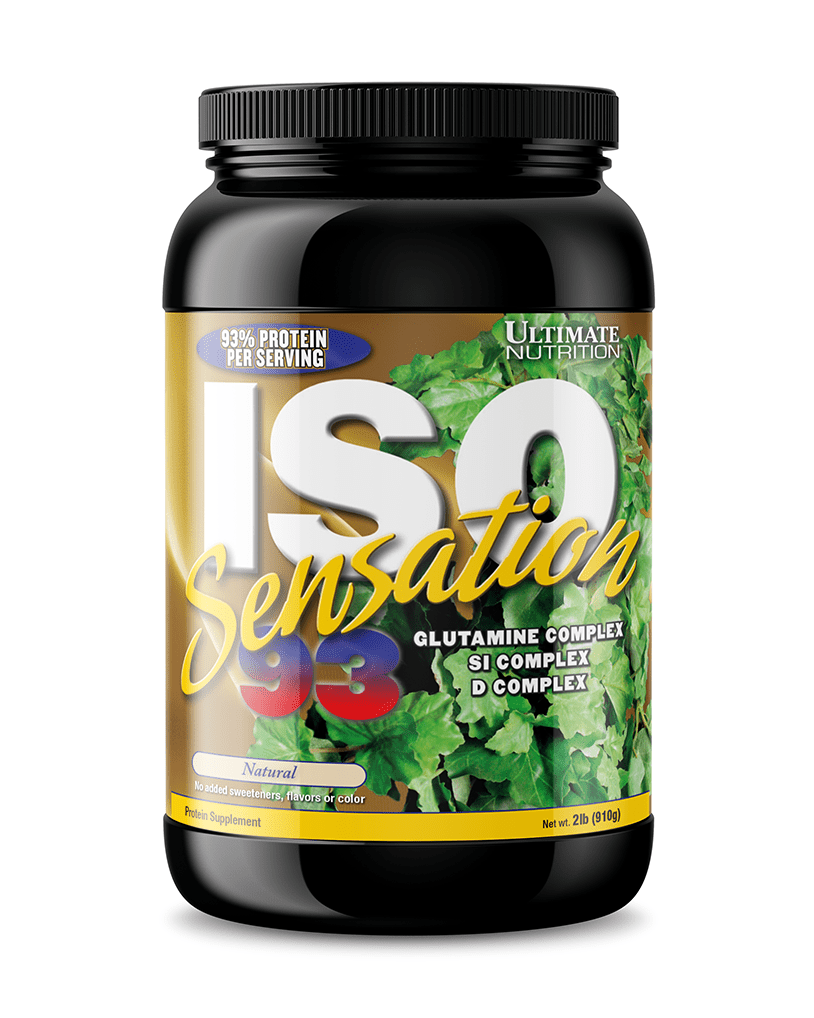
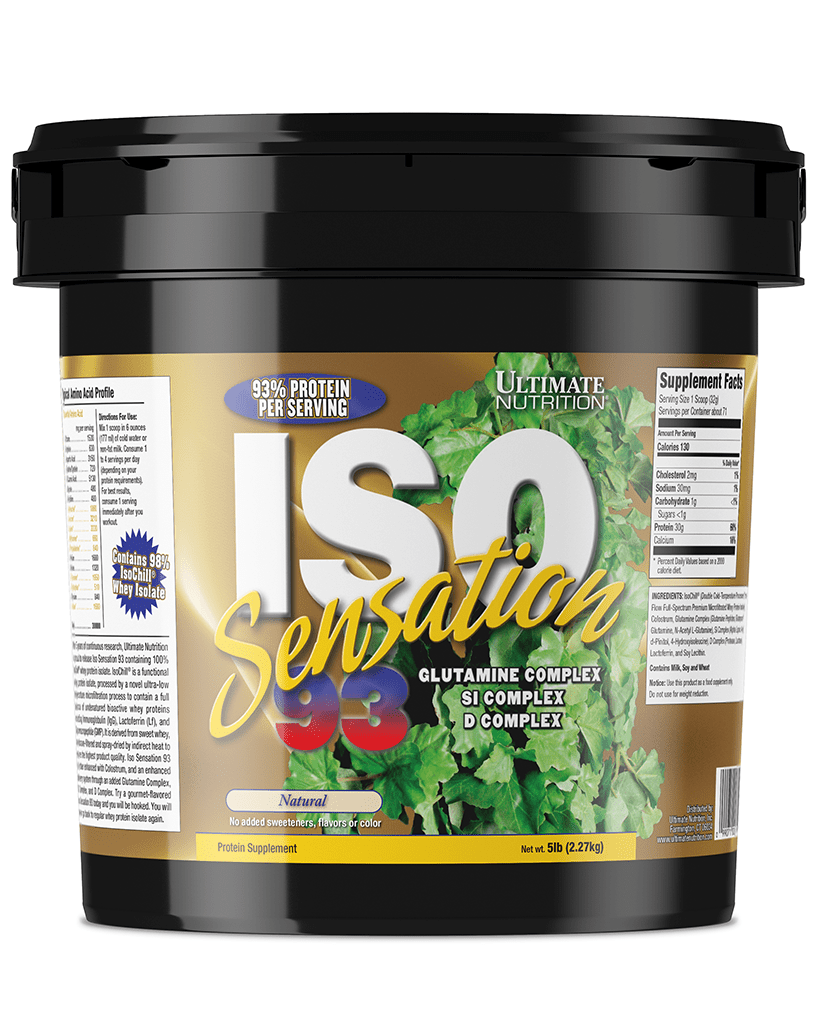
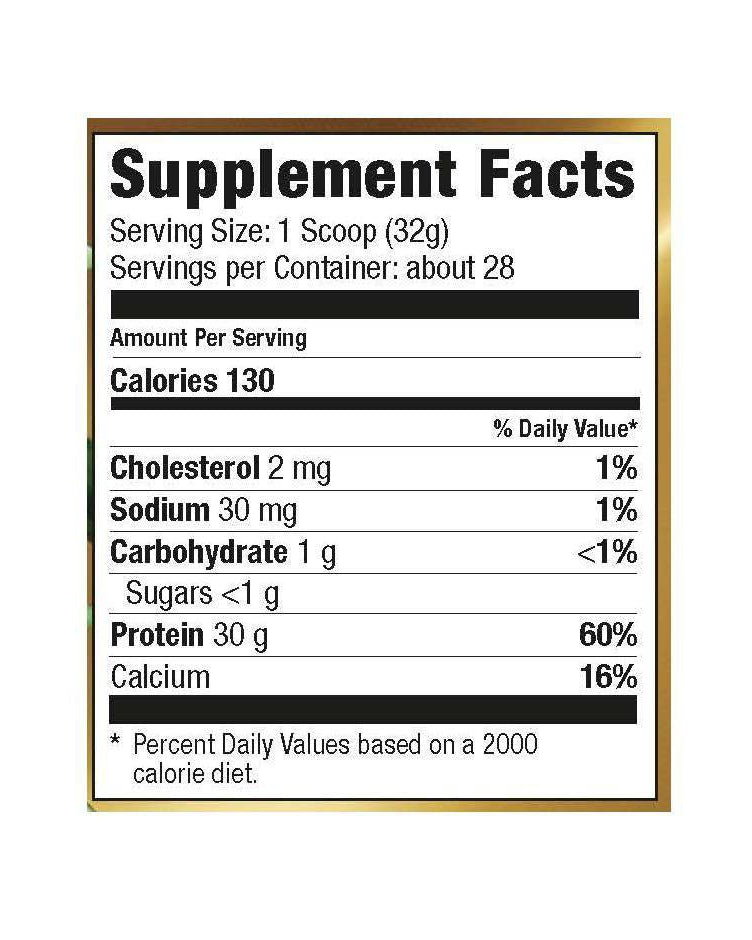
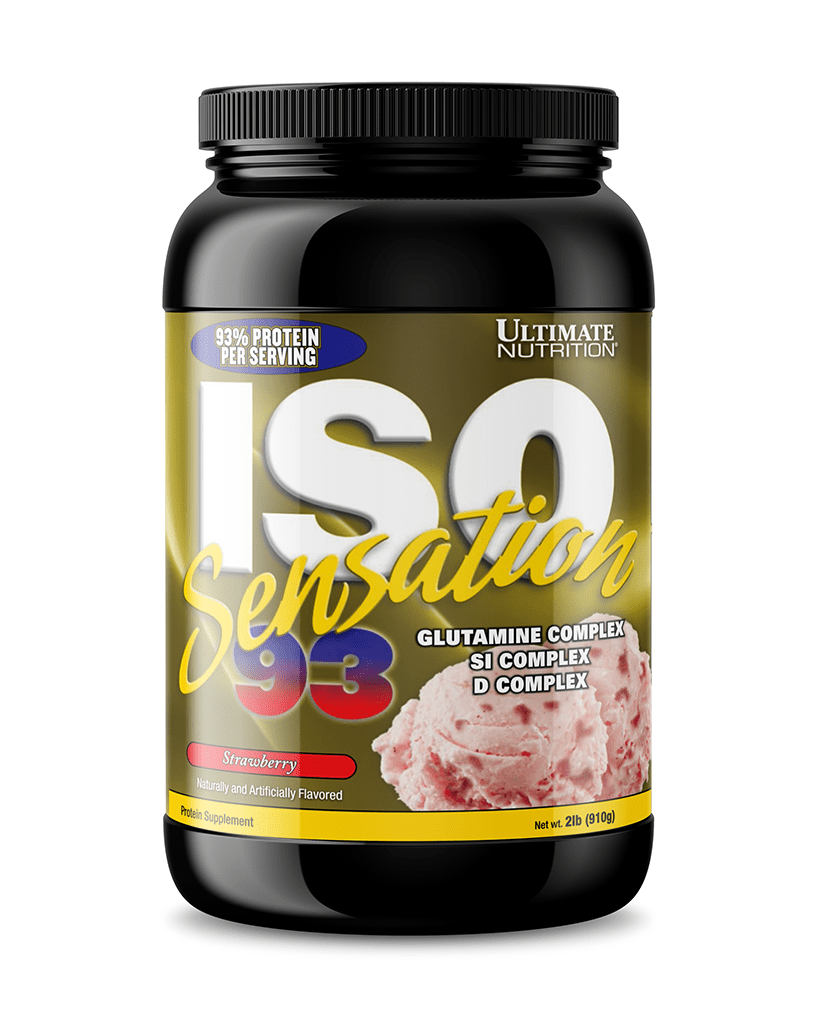
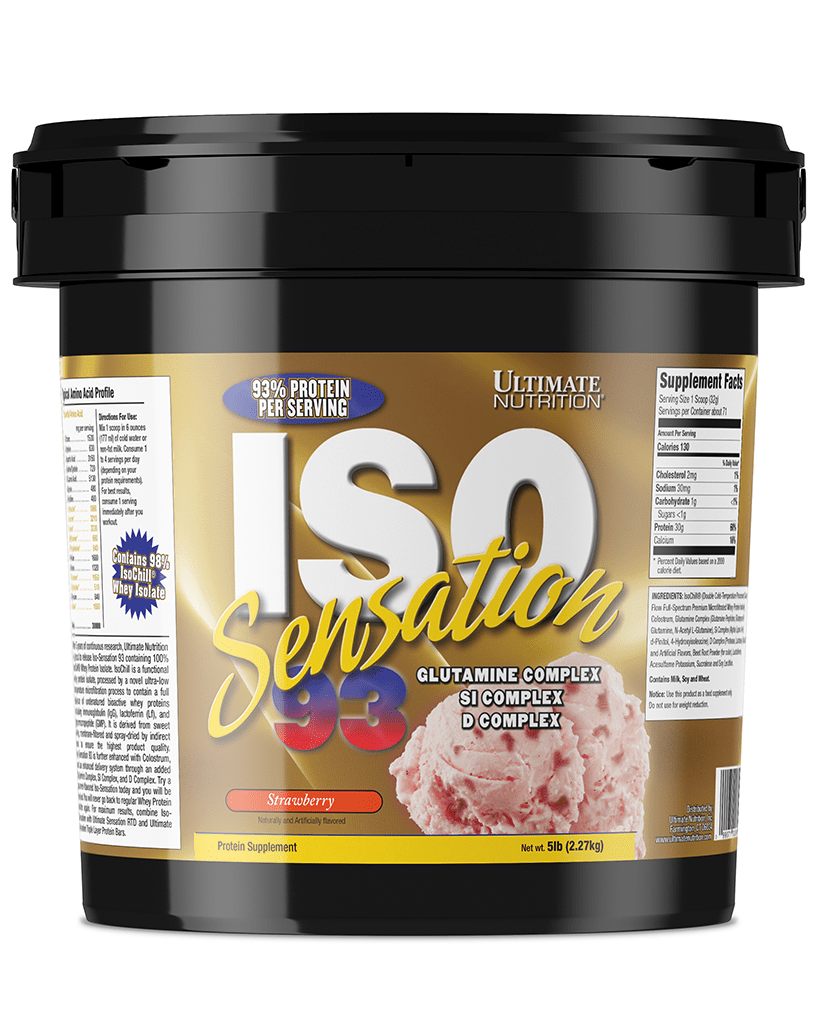
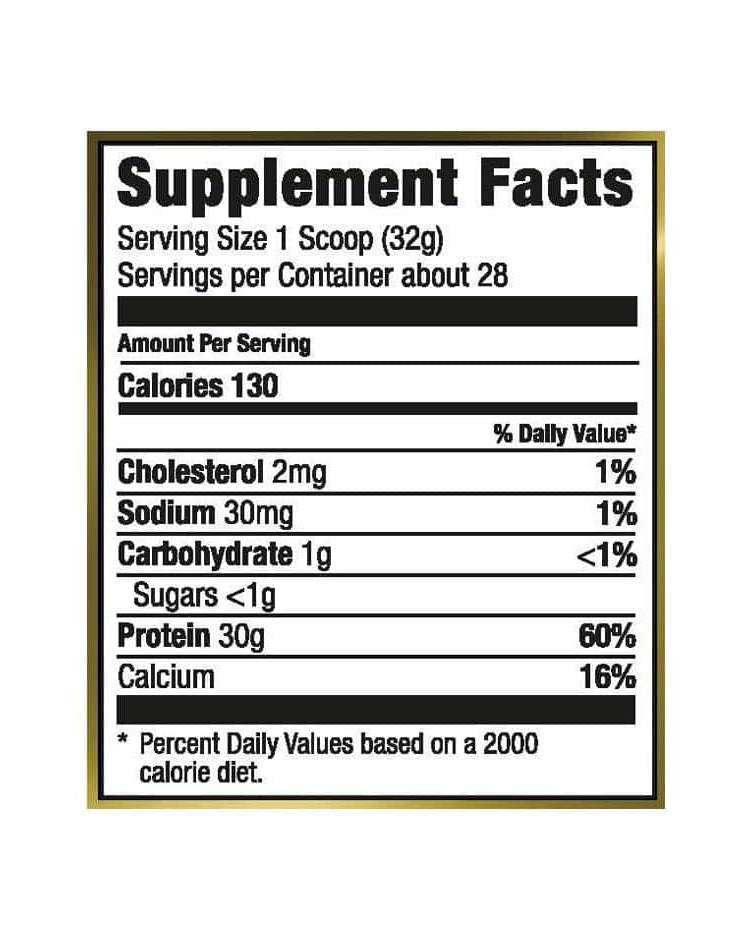
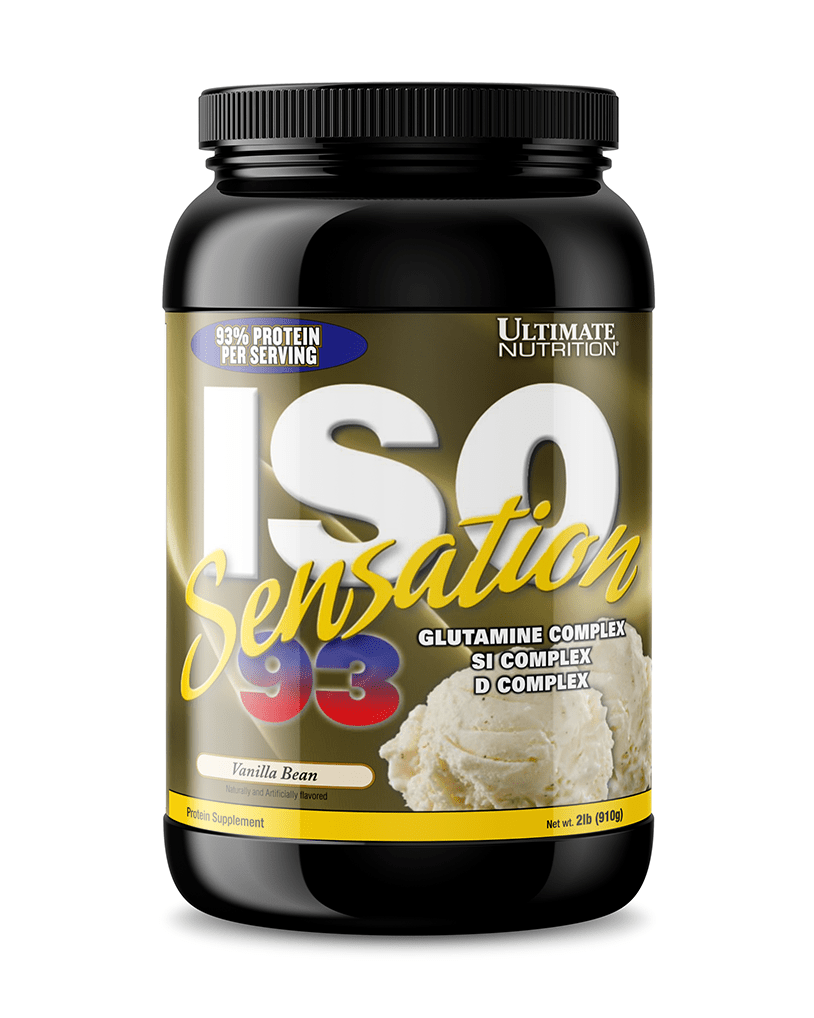
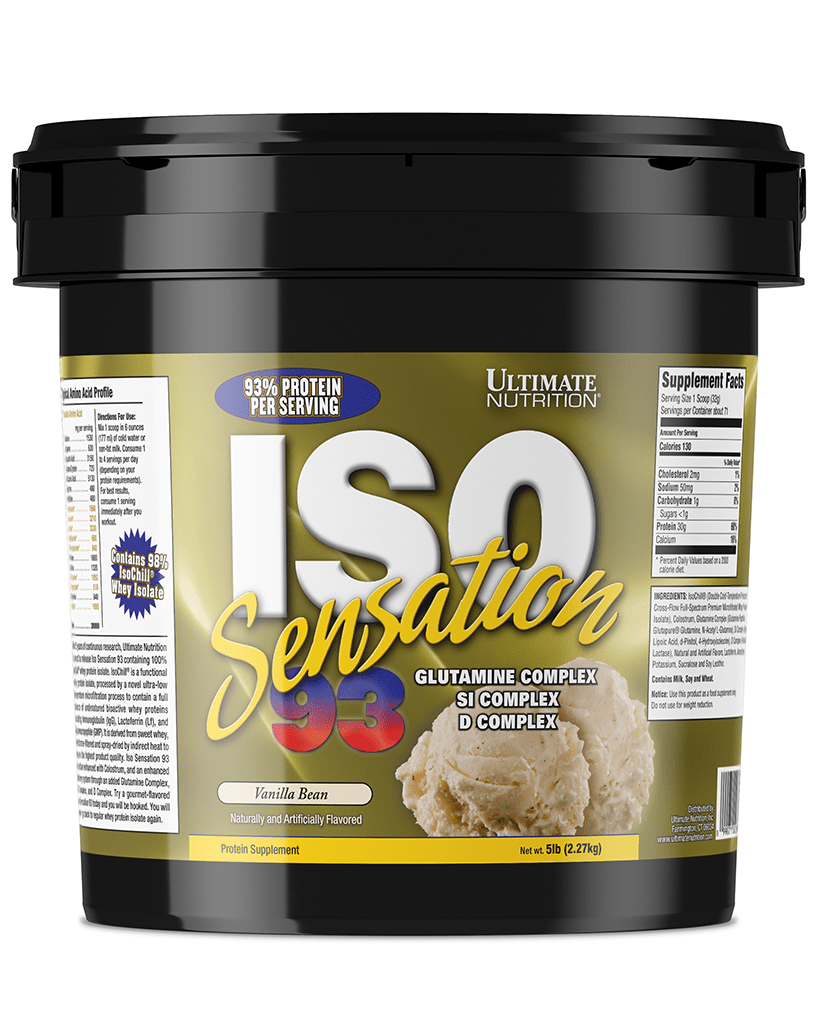
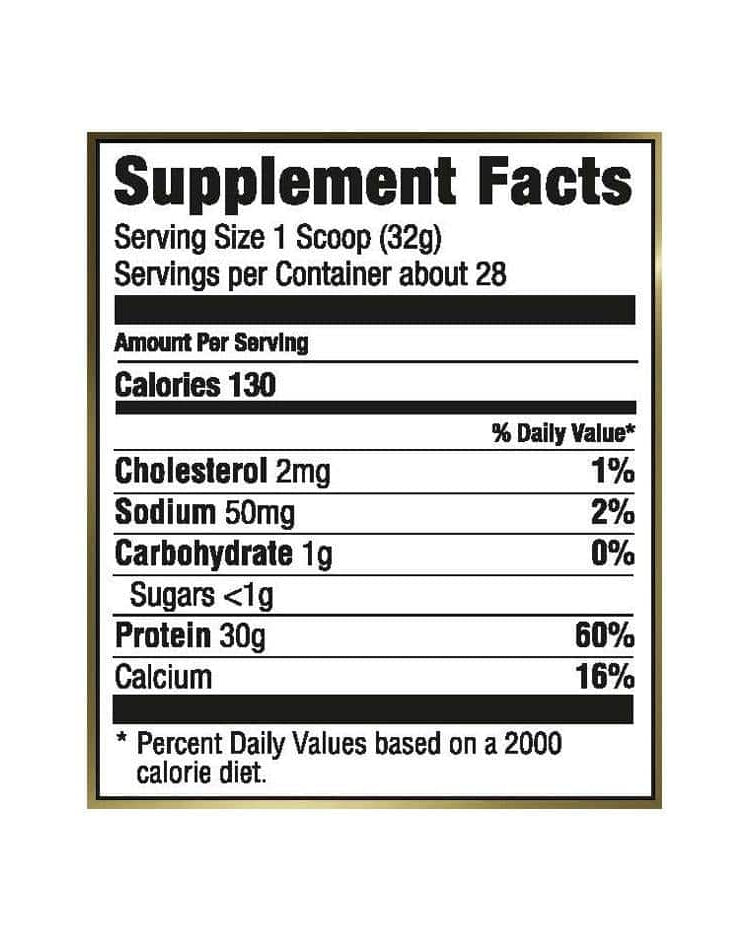
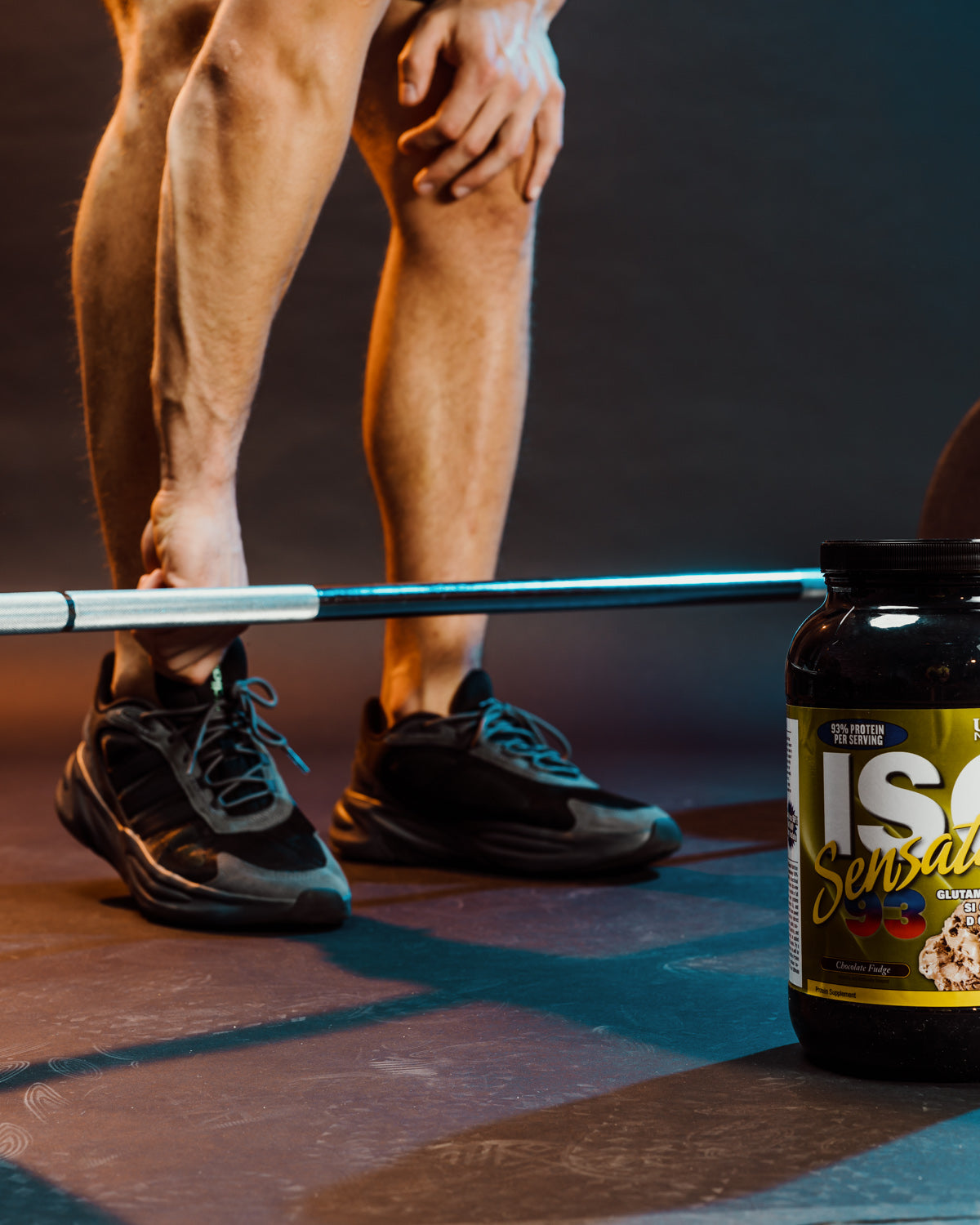
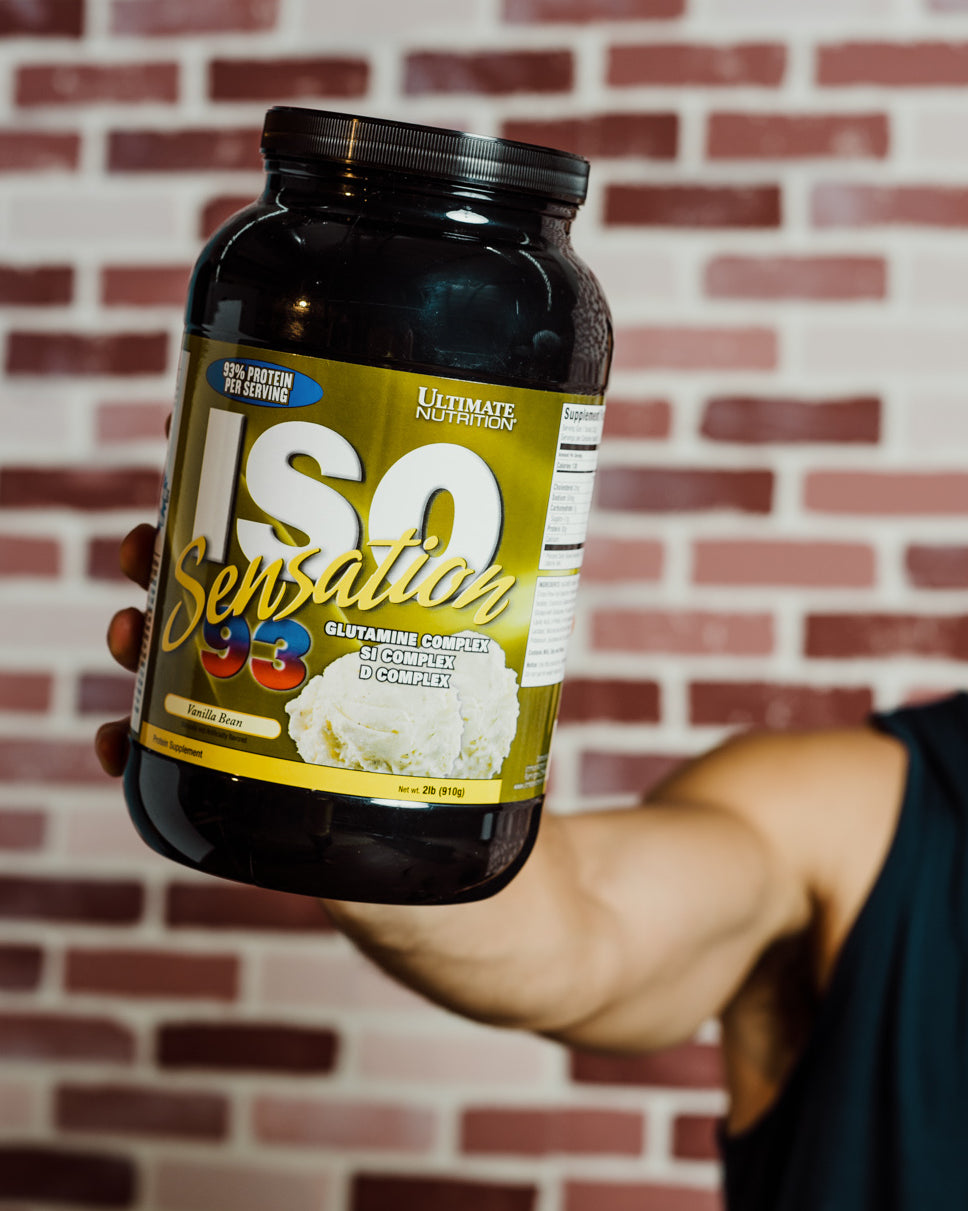
After 5 years of continuous research, Ultimate Nutrition is proud to release Iso-Sensation 93 containing 100% IsoChill® Whey Protein Isolate, Colostrum, Glutamine Complex, SI Complex, and D Complex.

Click Here For More Info...


VITAMIN C

Vitamin C is an antioxidant that is essential for the healing of wounds, immunity and for the repair and maintenance of cartilage, bones, and teeth.
Vitamin C available in:
Orange Flavor 120 Count Chewable Tablets View Supplement/Nutrition Facts

Vitamin C, also known as ascorbic acid, is a water-soluble vitamin that is vital for normal functioning of the body. The human body does not produce vitamin C on its own, nor does it store it. So it is important to include plenty of vitamin C-containing foods in your daily diet.

The human body varies greatly in its vitamin C requirement. It's natural for one person to need 10 times as much vitamin C as another person; and a person's age and health status can dramatically change his or her need for vitamin C. The amount of vitamin C found in food varies as dramatically as our requirements.

Antioxidants are nutrients that block some of the damage caused by free radicals, which are by-products that result when our bodies transform food into energy. Antioxidants, such as vitamin C and vitamin E, are an important part of the body’s defense against muscle damage from exercise. Strenuous exercise increases the body’s production of free radicals, which, in turn, can cause muscle damage, which manifests as swollen or painful muscles. While exercise increases the body’s natural defense against free radicals, athletes who are doing intense training may benefit from the addition of antioxidant supplements to their diets.

Vitamin C also assists the immune system in two of its primary functions to rid the body of foreign invaders. It accomplishes these vital tasks by stimulating the production of white blood cells, primarily neutrophils, which attack foreign antigens such as bacteria and viruses. It also boosts the body's production of antibodies and interferon; the protein that helps protect us from viral invaders.

Vitamin C is also required for the growth and repair of tissues in all parts of your body. It is necessary to form collagen, an important protein used to make skin, scar tissue, tendons, ligaments, and blood vessels. As a constituent of collagen, vitamin C may contribute to our immune defenses in an even more fundamental way: our skin and the epithelial lining of the body's orifices, both of which contain collagen, serve as our first line of defense against foreign invaders. They prevent these invaders from entering the body in the first place, where the immune system would have to go to war against them. Vitamin C is essential for the healing of wounds, and for the repair and maintenance of cartilage, bones, and teeth. Beyond that, vitamin C acts against the toxic effects of environmental pollutants by stimulating liver detoxifying enzymes and acts as an antiinflammatory.


SELECTED REFERENCES
  1. Gordon Schectman, James C. Byrd and Raymond Hoffmann, "Ascorbic Acid Requirements for Smokers: Analysis of a Population Survey, American Joumal of Clinical Nutrition, 1991; 53:1;1466-70.

  2. L. Podoshin, R. Gertner and M. Fradis, "Treatment of Perennial Allergic Rhinos with Ascorbic Acid Solution," Ear-Nose-Throat J.; January 1991; 70(1); p. 54-5.

  3. C.R. Spillert et al., "Inhibitory Effect of High Dose Ascorbic Acid on Inflammatory Edema," Agents-Actions; June 1989; 27(3-4); p. 401-2.

  4. E. Barta et al., "Protective Effects of Alpha-Tocopherol and L-Ascorbic Acid Against the Ischemic Reperfusion Injury in Patients During Open-Heart Surgery," Bratisl. Lek. Listy.; March-April 1991; 92(3-4); p. 174-83.

  5. N.D. Penn et al., "The Effect of Dietary Supplementation with Vitamins A, C and E on Cell-Mediated Immune Function In Elderly Long-Stay Patients: A Randomized Controlled Trial," Age-Aging, May 1991; 20(3); p. 169-74.

FREQUENTLY ASKED QUESTIONS
  1. What is vitamin C and what does it do?
    Vitamin C, also known as ascorbic acid, is a water-soluble antioxidant vitamin. Vitamin C protects proteins and genetic materials (RNA and DNA) from damage by free radicals. Vitamin C is also required for the synthesis of collagen and dentin. Collagen is the structural component of blood vessels, bones, ligaments, and tendons, while dentin is the structural component of teeth.
     
  2. What are the side effects of Vitamin C?
    Vitamin C is water soluble and is regularly excreted by the body. Therefore, toxicity is very rare. One common complaint regarding vitamin C is that large doses can cause gastrointestinal distress, including cramps, diarrhea and nausea. These symptoms, which are caused by the acidity rather than the ascorbate itself, seem to disappear when a buffered form of vitamin C is taken.
     
  3. Does Vitamin C Function Synergistically With Other Nutrients?
    As an antioxidant, vitamin C can rejuvenate vitamin E, making it an indirect contributor to the fight against free radical damage in the lipids. It's not surprising, then, that these two nutrients can be effective partners in reducing the destructive process of lipid peroxidation. The synergistic combination of vitamins C and E may be further enhanced by the addition of vitamin A.
Farmington, CT 06034-0643 USA
Phone: (860) 409-7100 ext. 106 | Fax: (860) 409-7388
Copyright 2006 - 2008, Ultimate Nutrition, All Rights Reserved