












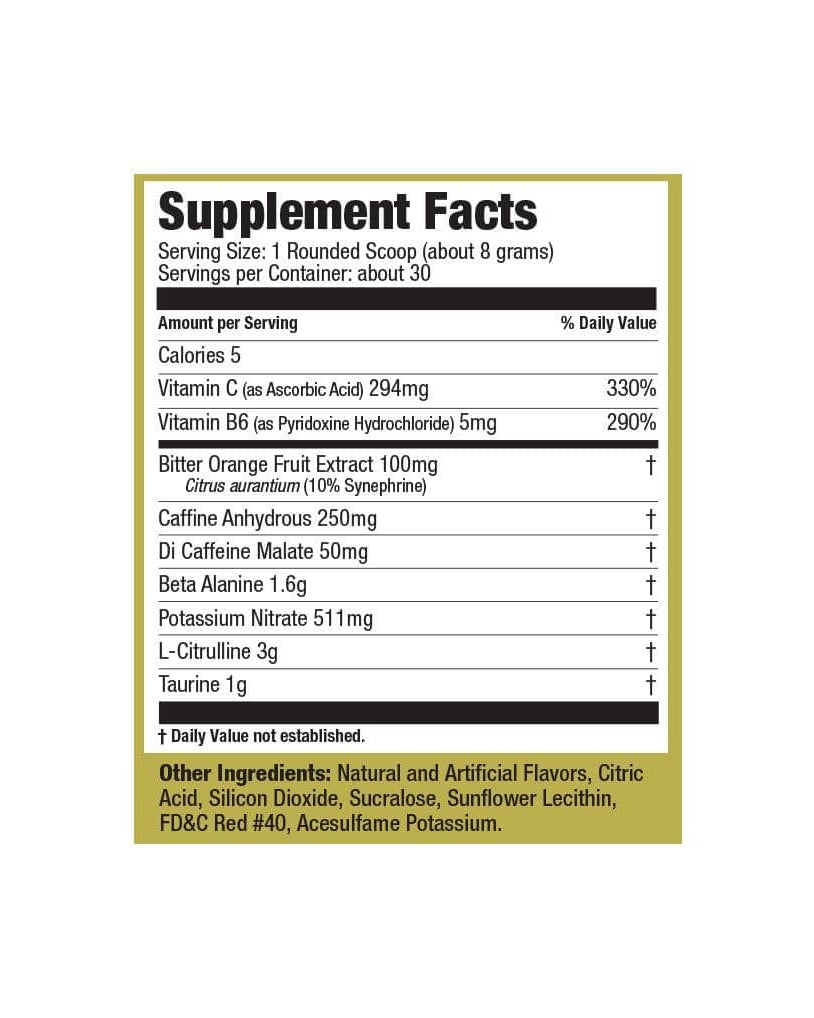
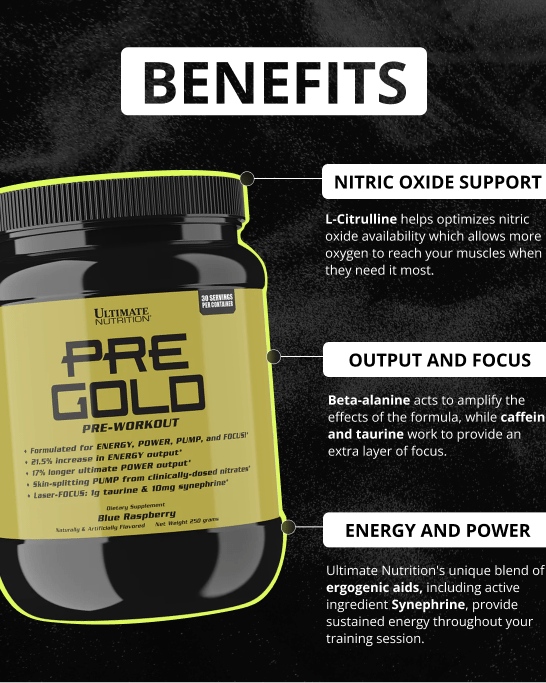

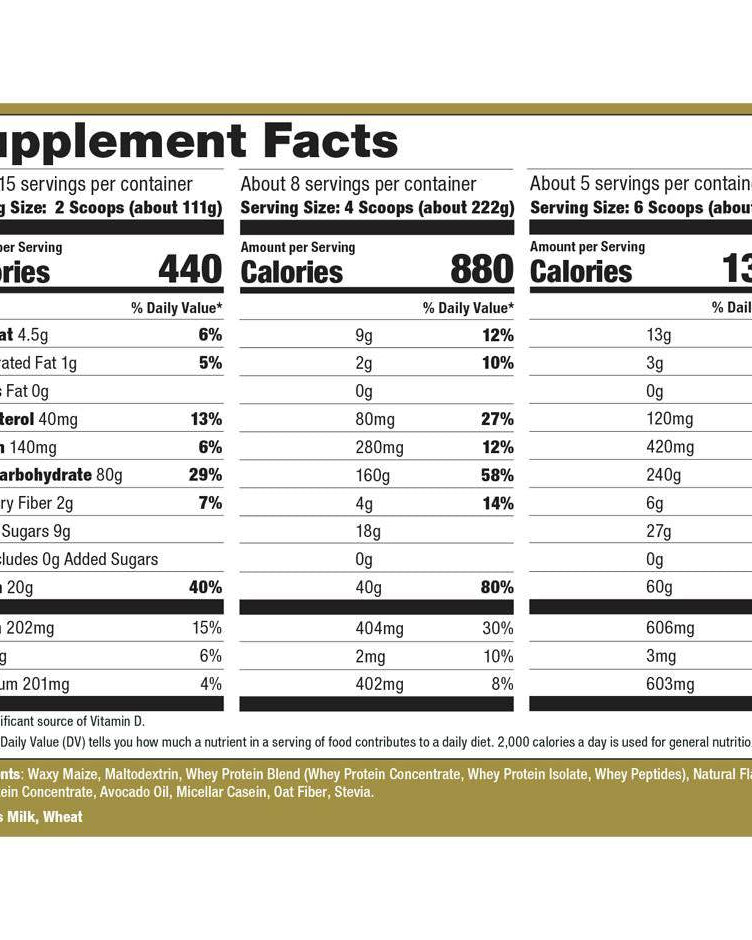
The use of Beta-Alanine to increase muscle
Carnosine offers a way to increase anaerobic
exercise potential and, is likely to add to
the effects of Creatine in some exercise
settings. First discovered in the early
1900’s, Beta-Alanine and Histidine are the
two components of Carnosine. Histidine is
already present in large quantity within
skeletal muscles, so it is Beta-Alanine that
acts as the rate-limiting factor in
Carnosine conversion.A buildup of
metabolic waste limits muscle contraction,
with Hydrogen ions being the worst. This is
primarily true of our fast fibers, which are
most sensitive to Hydrogen ions and
extremely susceptible to fatigue. If the
Hydrogen ions can be buffered, muscle
strength can be maintained for a longer time
before fatigue sets in. This means that
anyone involved in exercise where lactic
acid buildup is the limiting factor,
including bodybuilders, stands to benefit
from beta-alanine. In the gym, this may
translate into more reps with a given
weight.
Carnosine is very effective at buffering
the Hydrogen ions responsible for producing
the lactic acid burn. Studies have shown
that increasing muscle Carnosine by
supplementing Beta-Alanine may delay fatigue
and improve the muscular aspects of athletic
performance.
Research also indicates that Beta-Alanine
increases lactate threshold, improves the
ability to maintain maximal power output
during high-intensity exercise and decreases
neuromuscular fatigue. By elevating
Carnosine level, it may protect against
damage to nerves, letting them fire at a
faster rate than if they are injured. For
example, instead of ones body operating at
80% the day after exercise, Carnosine may
help it perform closer to the best possible
levels. This is mainly useful for athletes
who are constantly using the same muscles,
without the ability to take a break and
recover for a few days.
One study compared orally administered
Beta-Alanine in 10, 20, and 40 mg/kg levels
to humans, and found that less than 5% was
excreted in urine, and that in the above
amounts, increases in muscle Carnosine
stores were 42.1, 64.2 and 65.8%,
respectively. In addition, workout volume
increased by 13% after four weeks, and 16.2%
after 10 weeks. This suggests that for a 220
lb athlete, 4g per day is more than enough.
Real world feedback, in addition to dozens
of human studies on strength, endurance,
strength/endurance, and power/endurance
athletes shows increases in muscular
strength, size, workout volume, and general
work capacity of all three types of muscle
fibers. |