





























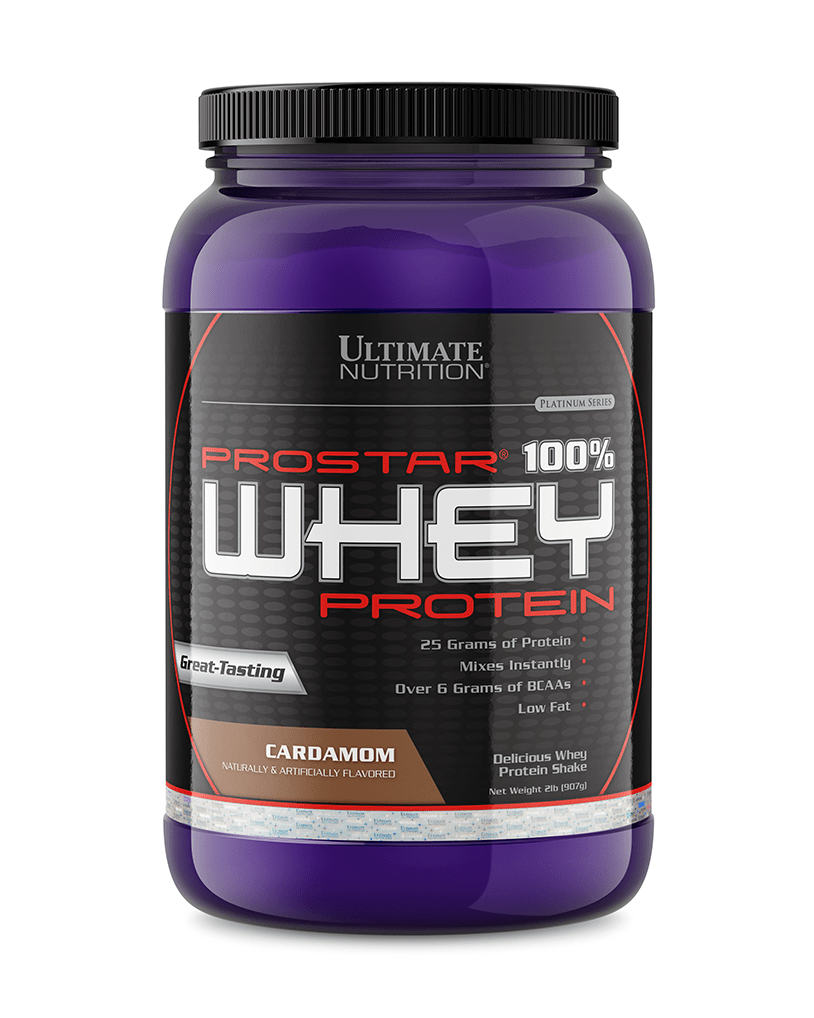
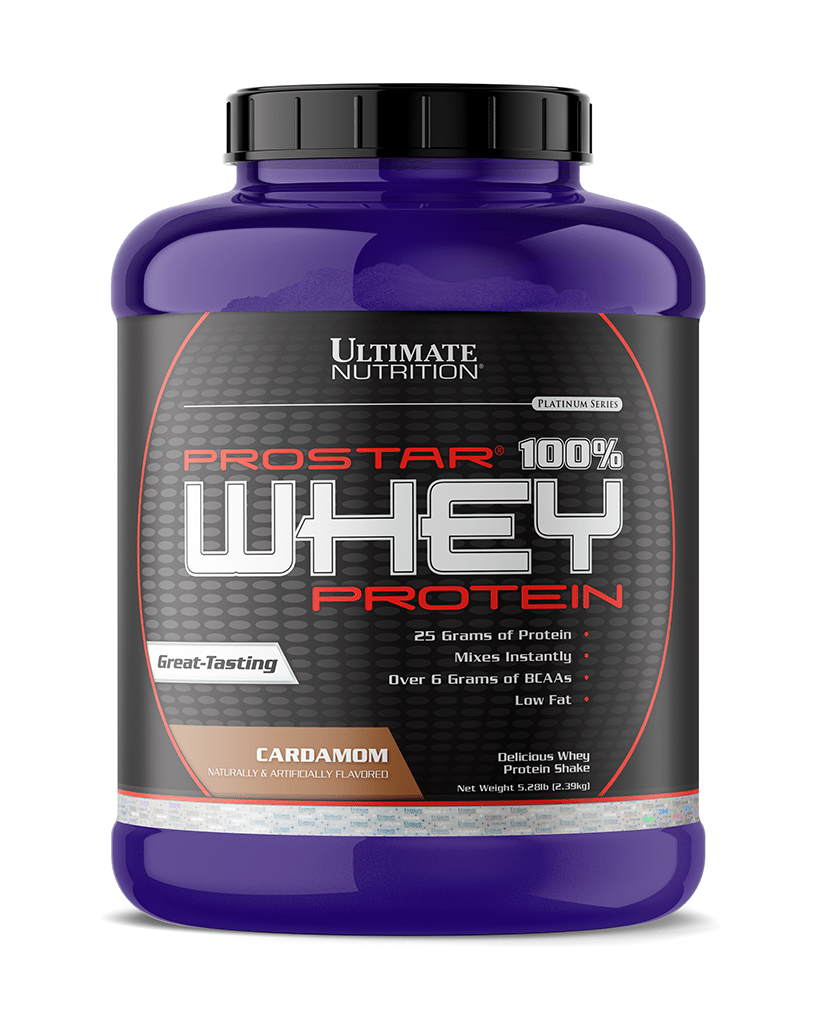
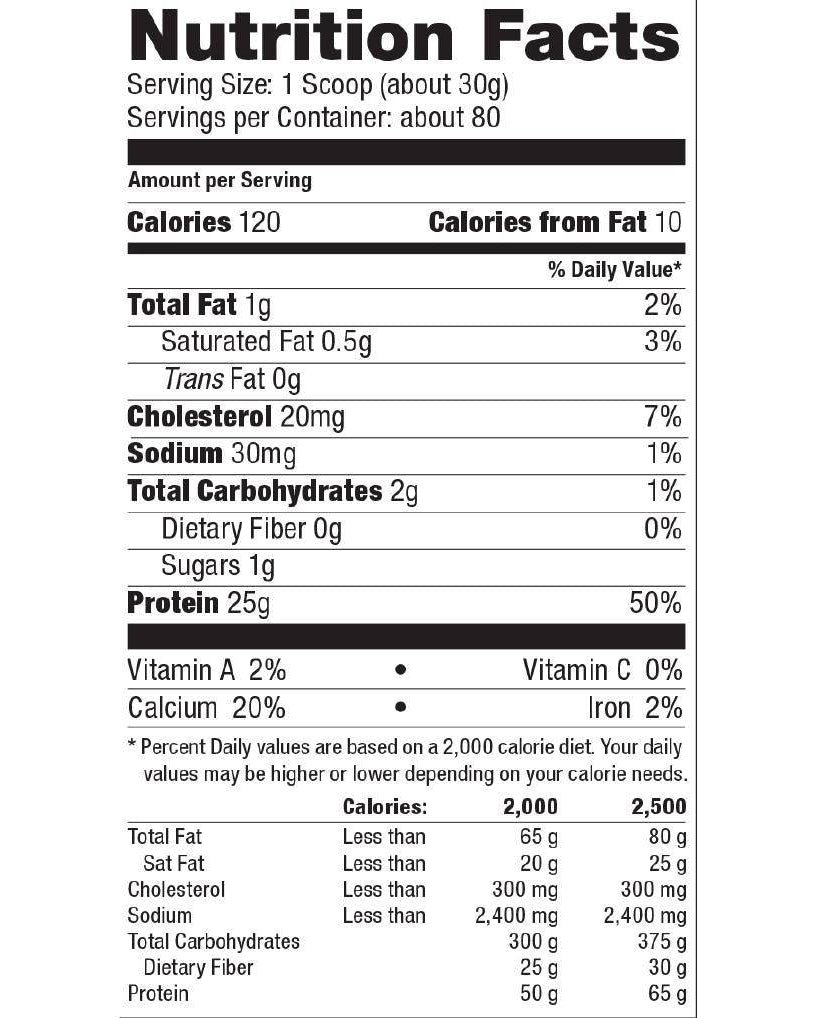






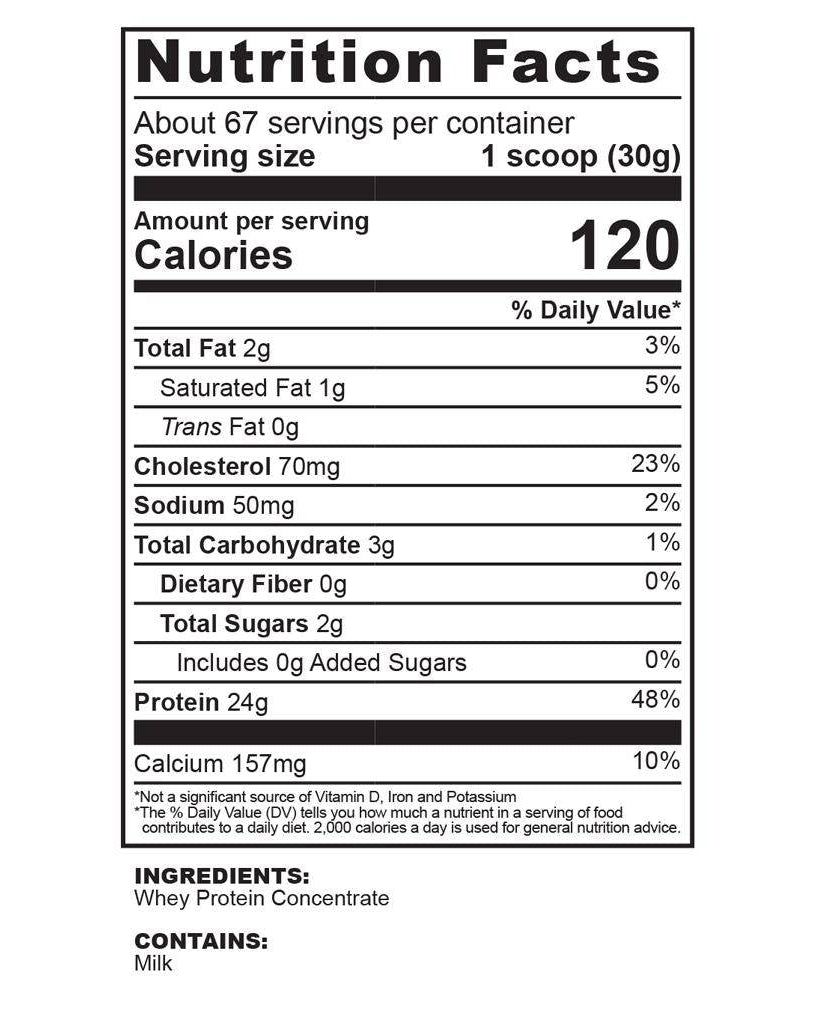


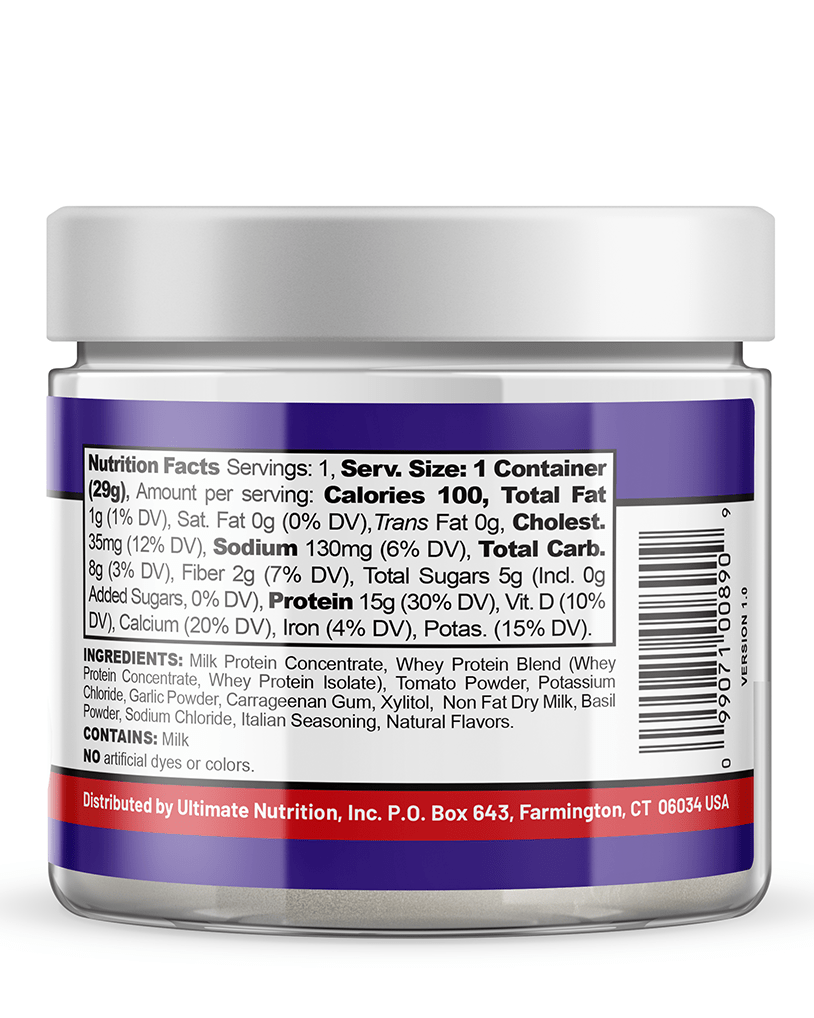


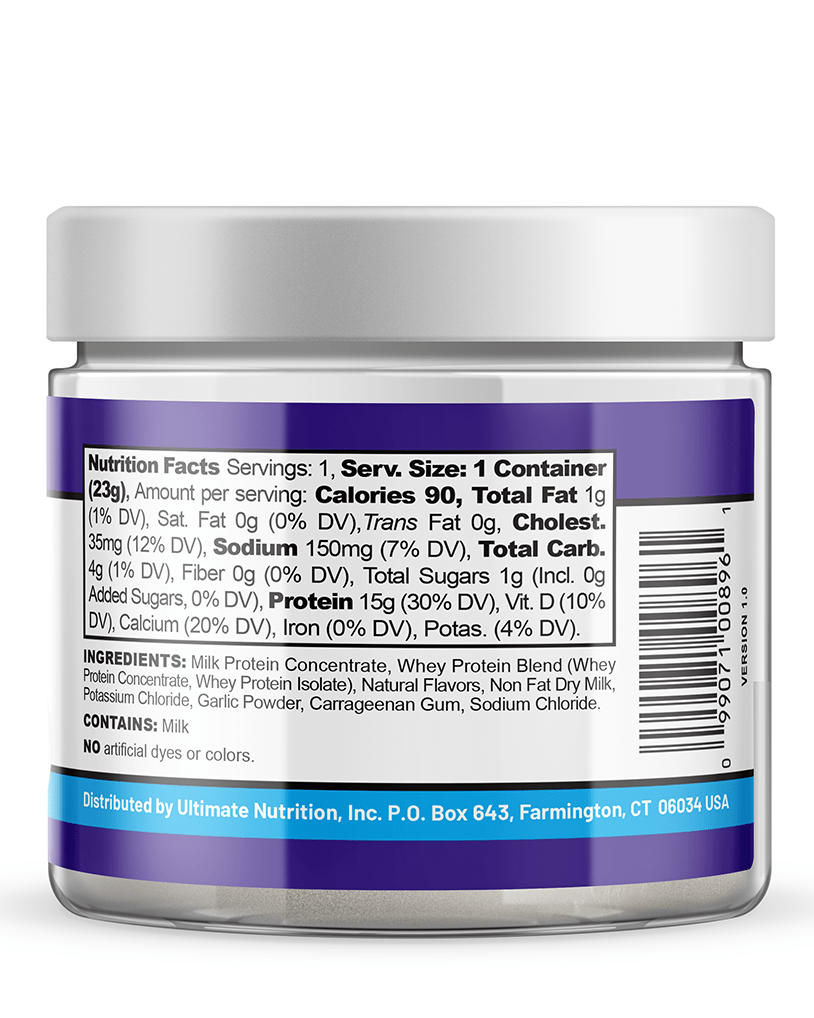


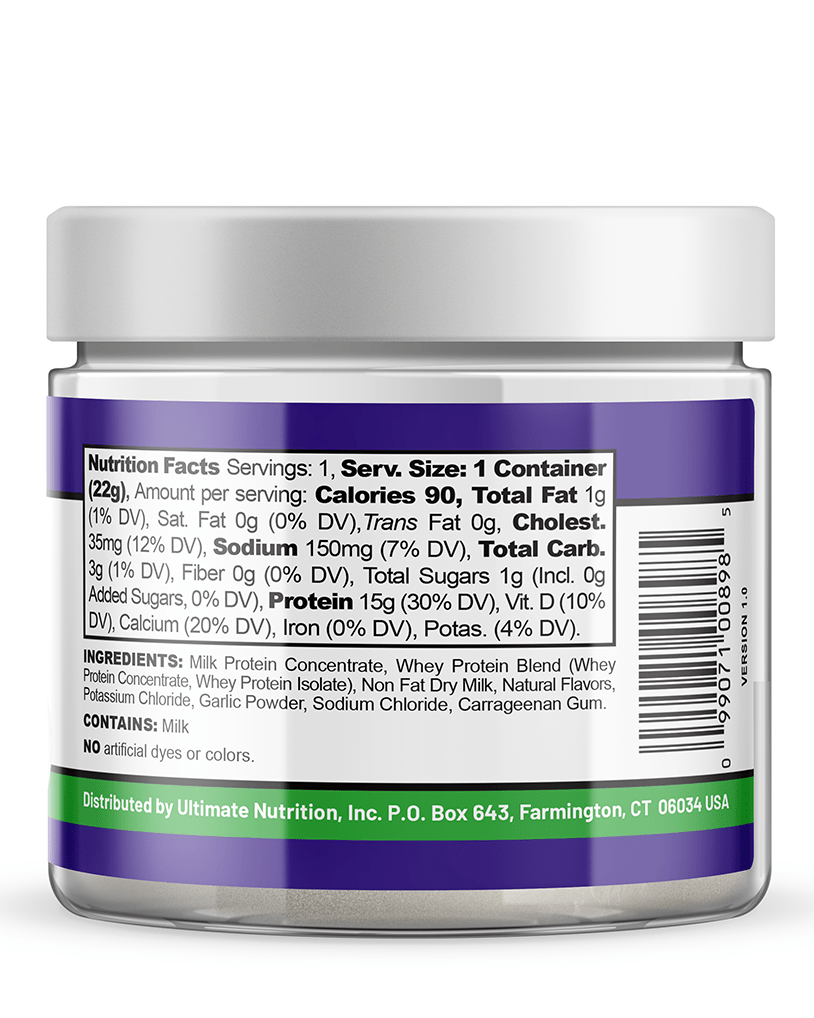







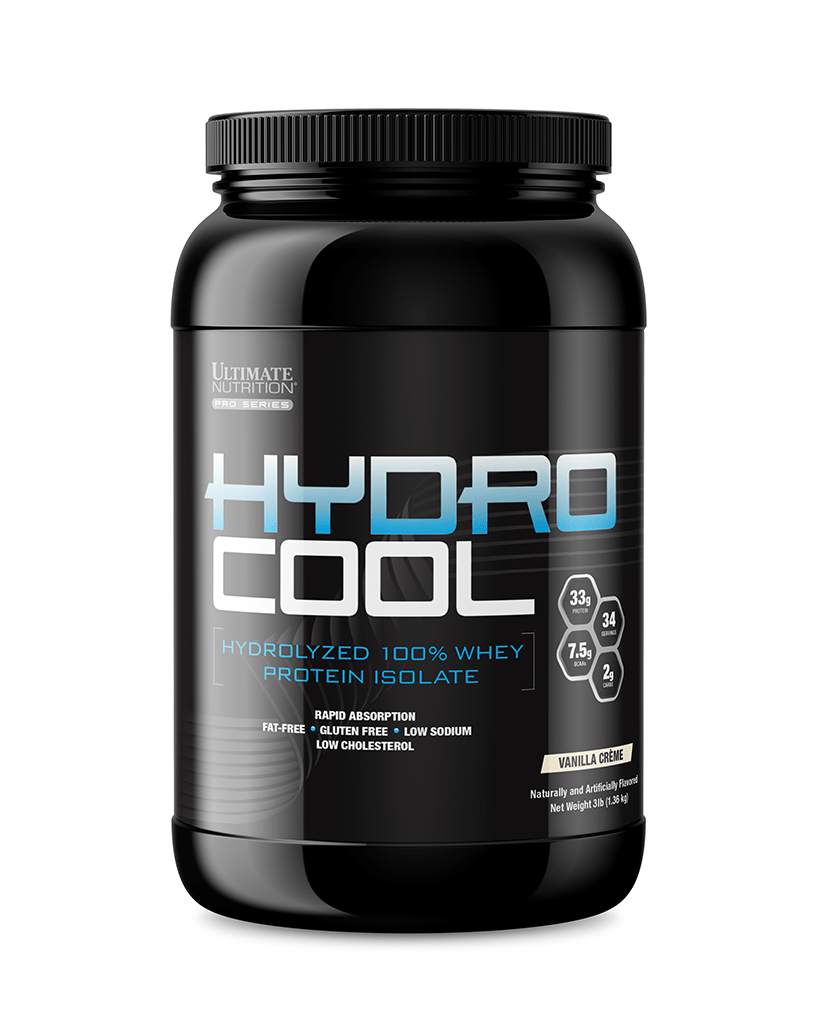
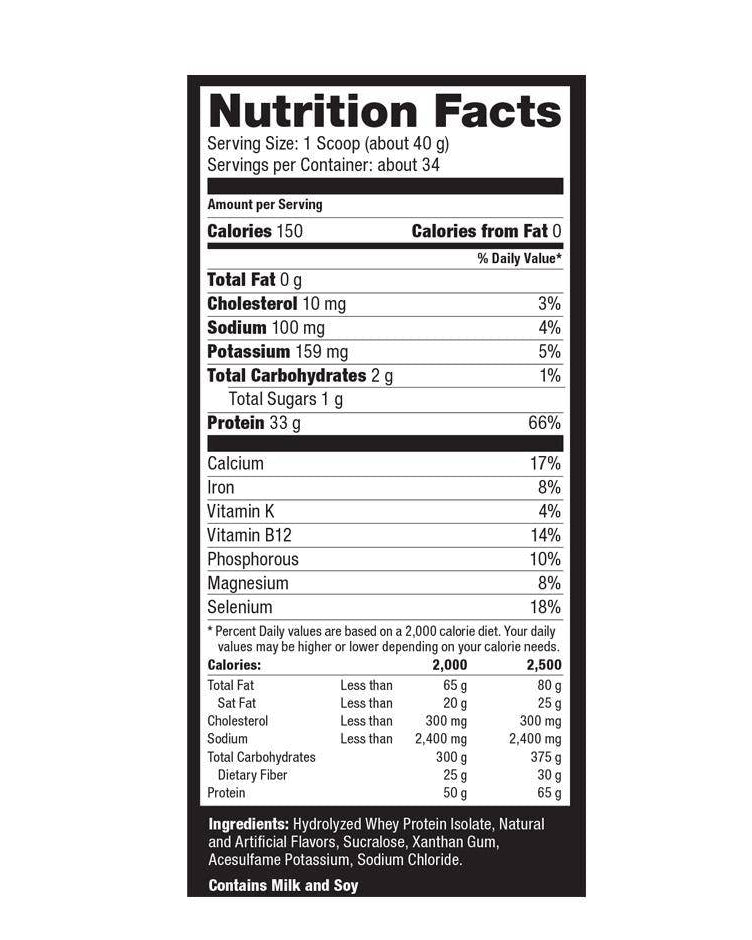
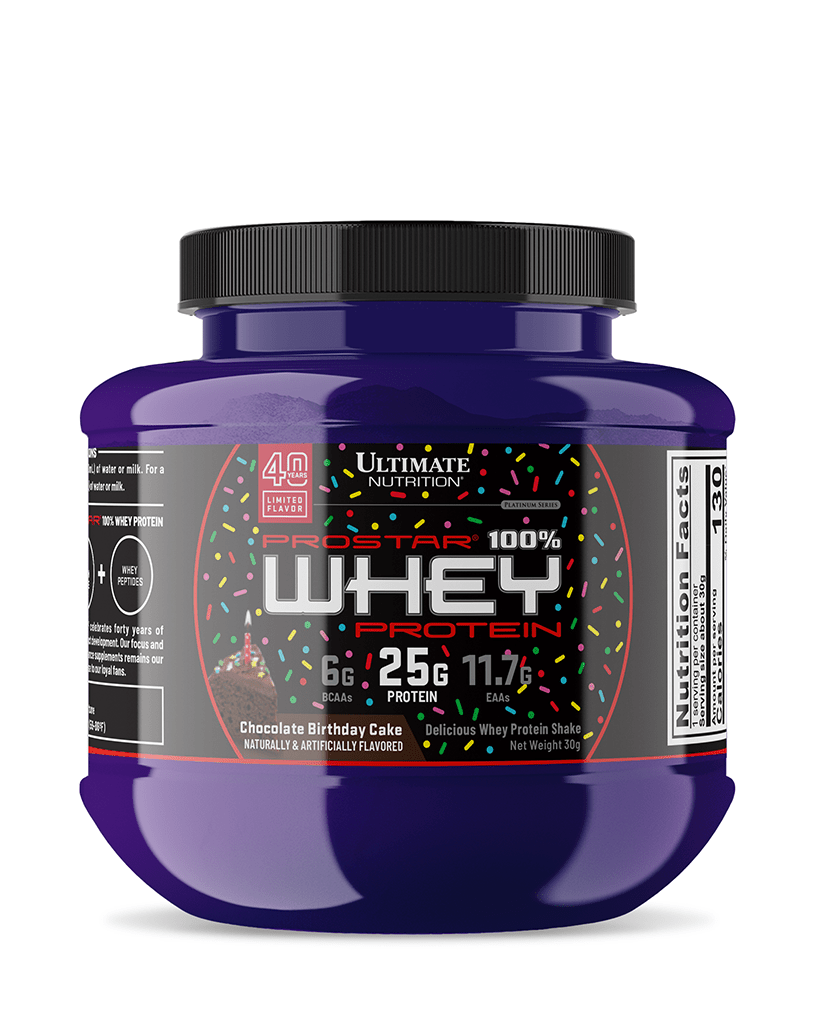
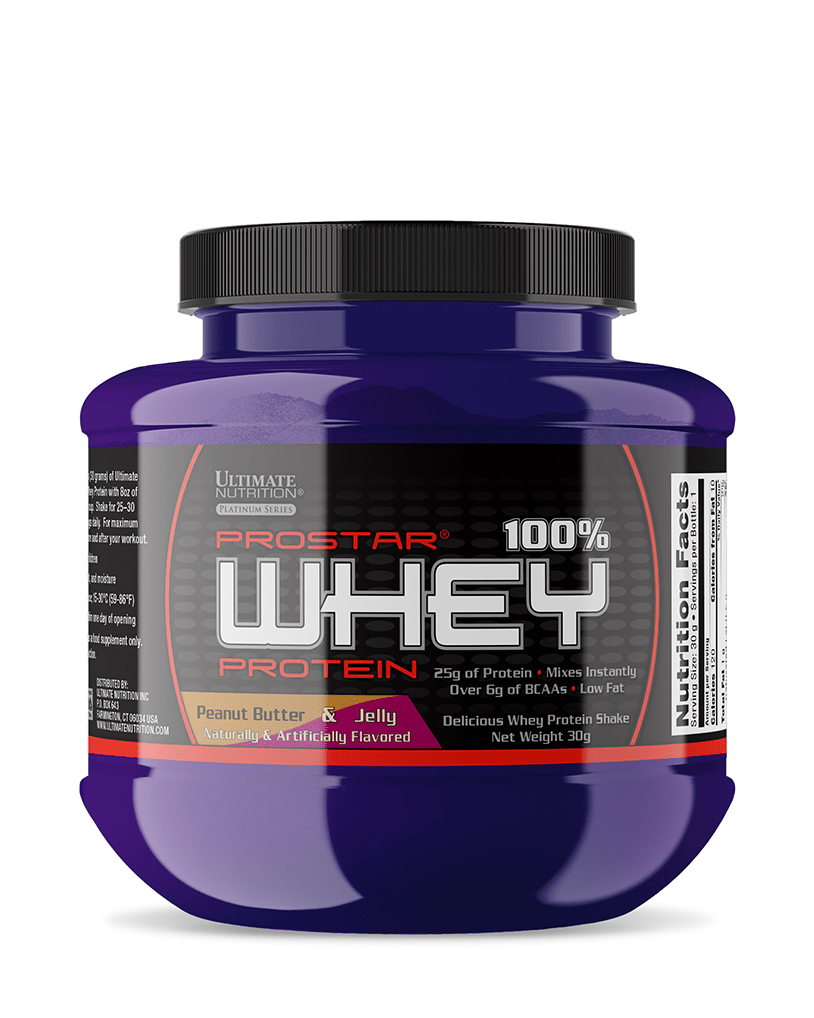






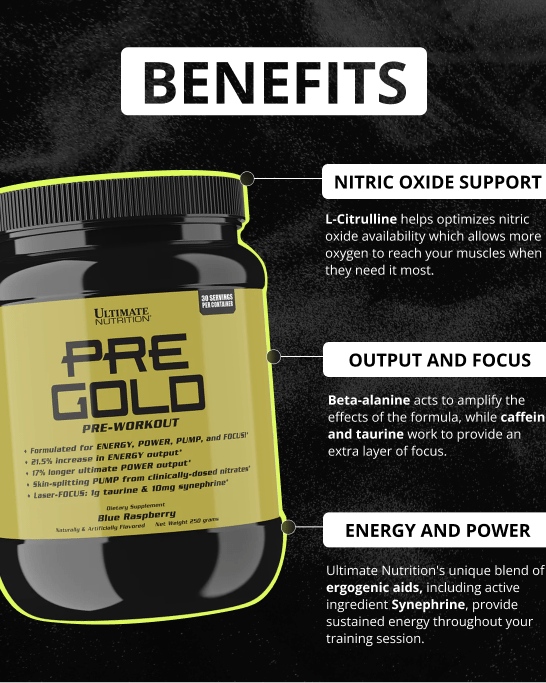
















Ultimate Nutrition Amino Bolic is a free-form amino acid complex that supplies several of the amino acids most needed by the body, in easy to swallow (and easy to take along to the gym) caplets.

Click Here For More Info...

TESTOSTROGROW 2 HP is a versatile time-release anabolic stack that combines the most effective testosterone stimulators available.

Click Here For More Info...

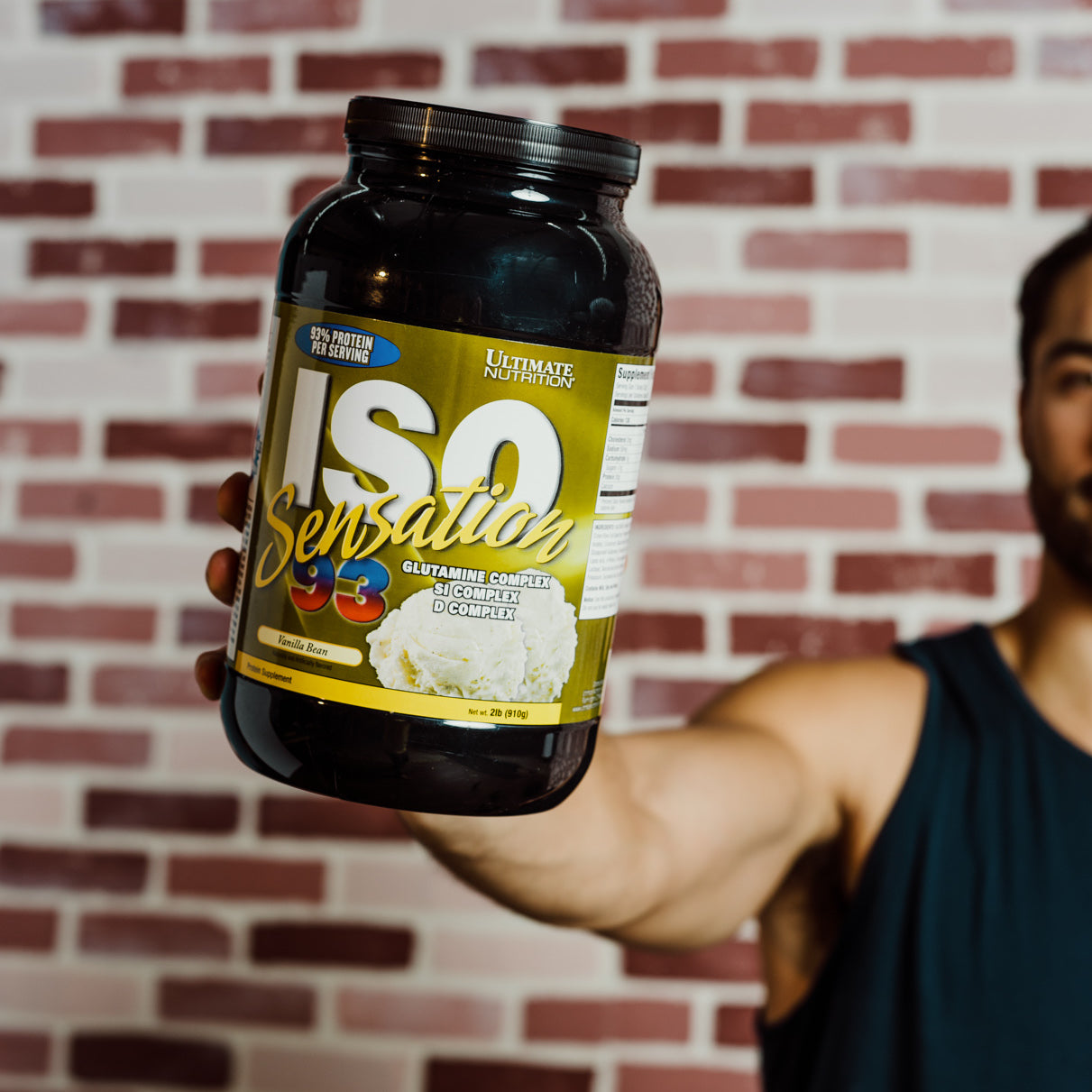
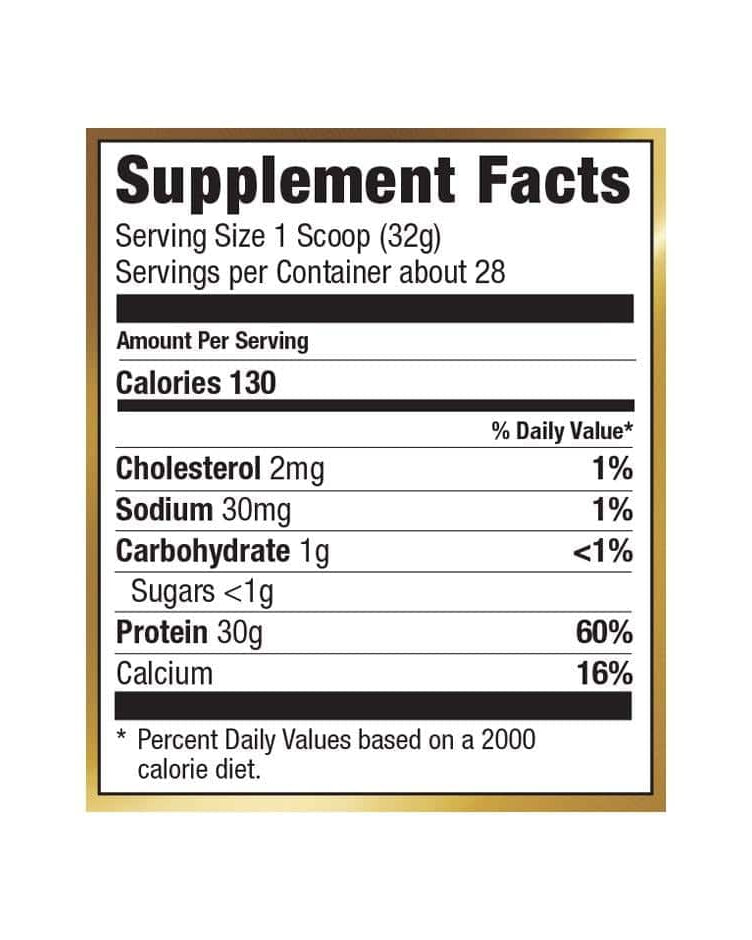
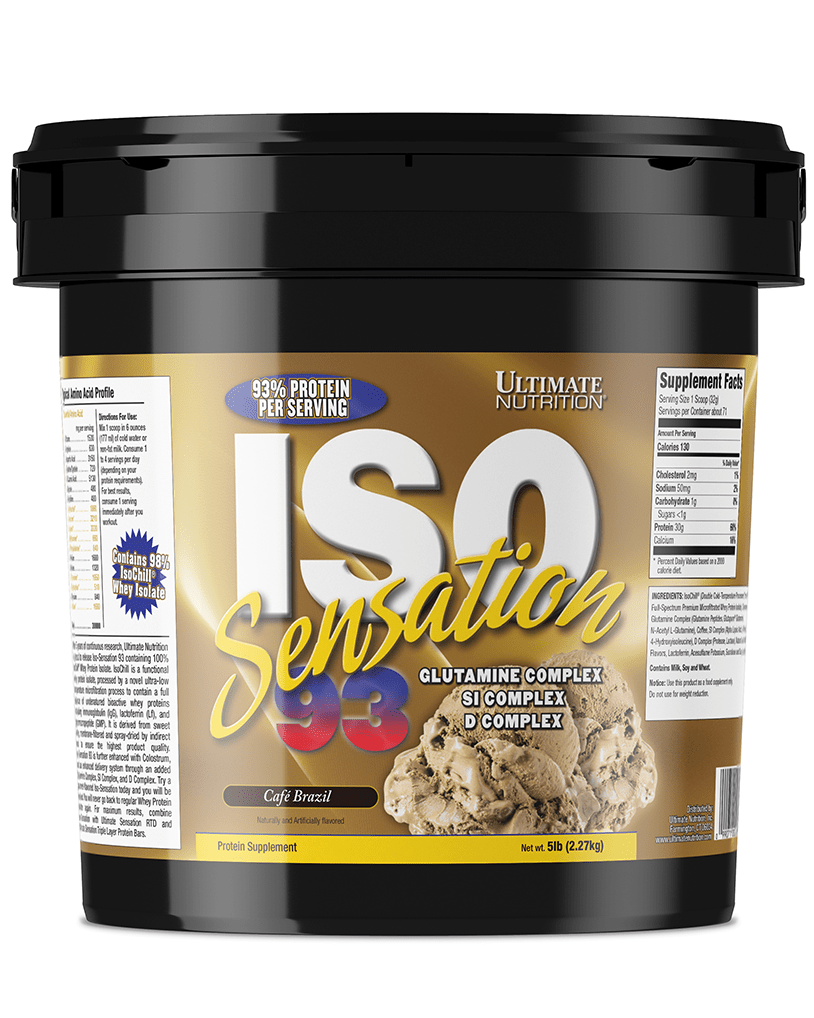
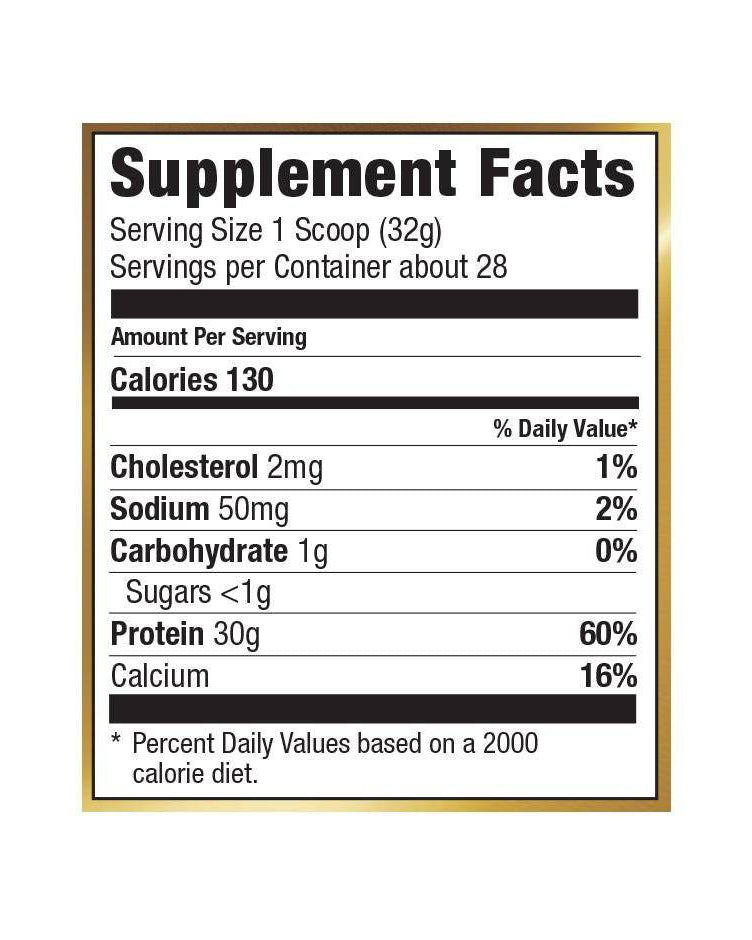
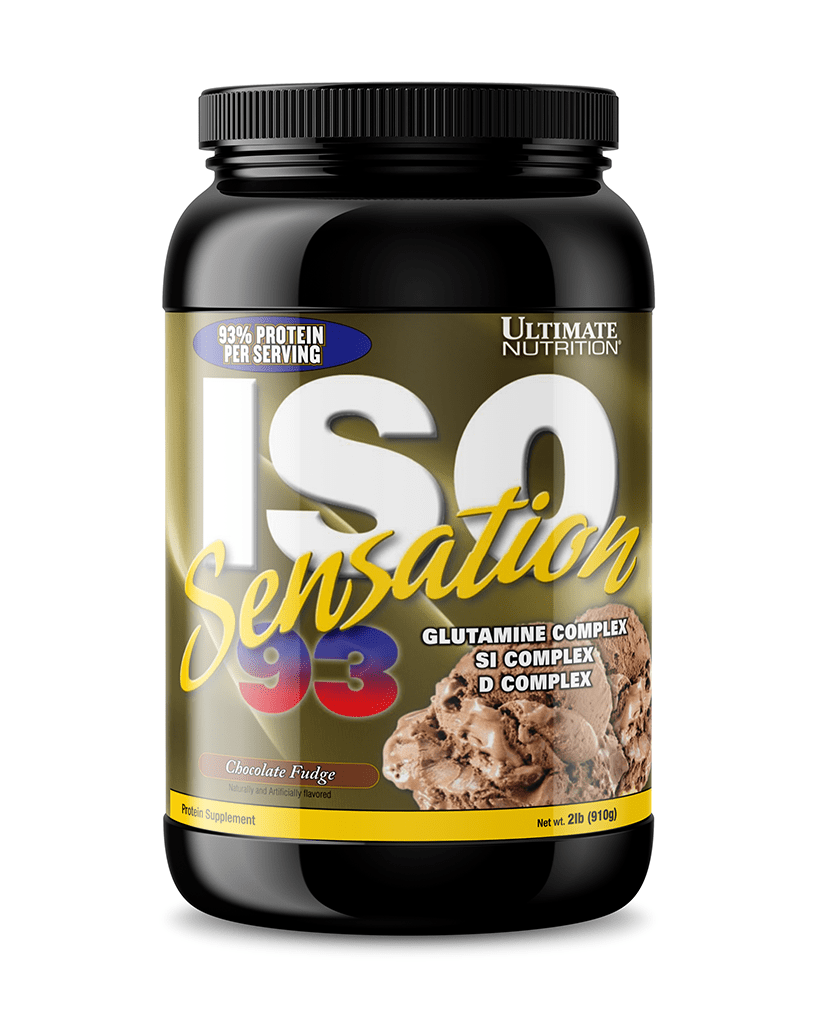
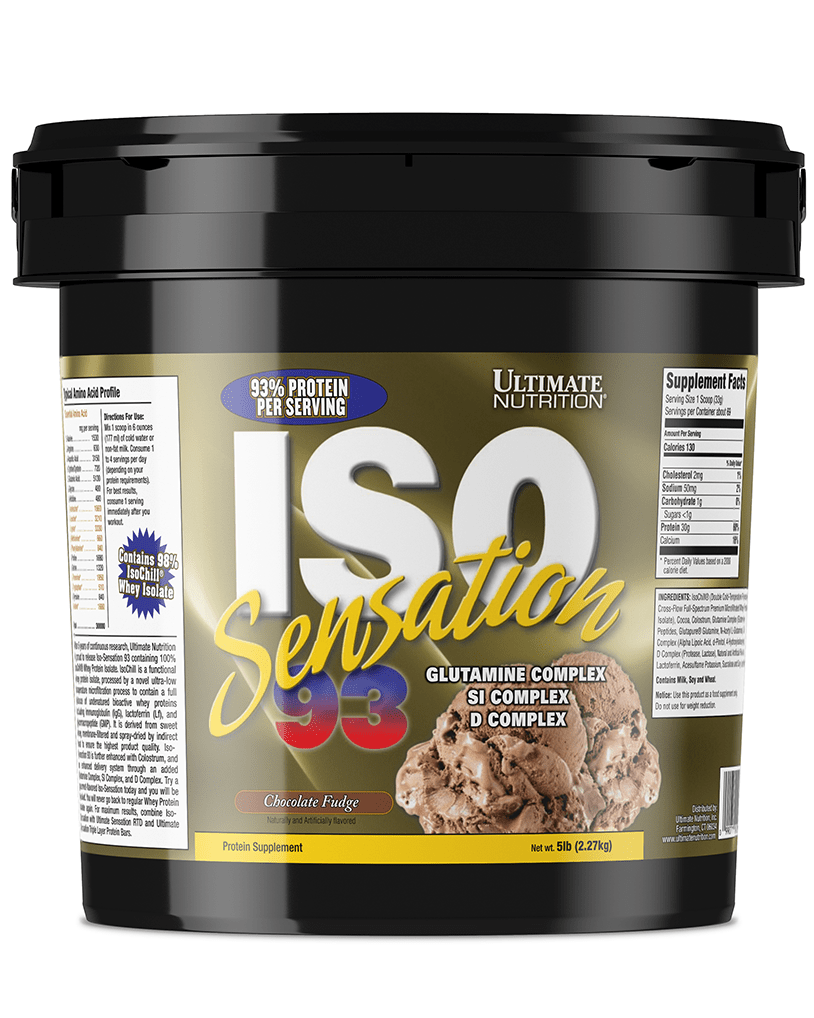
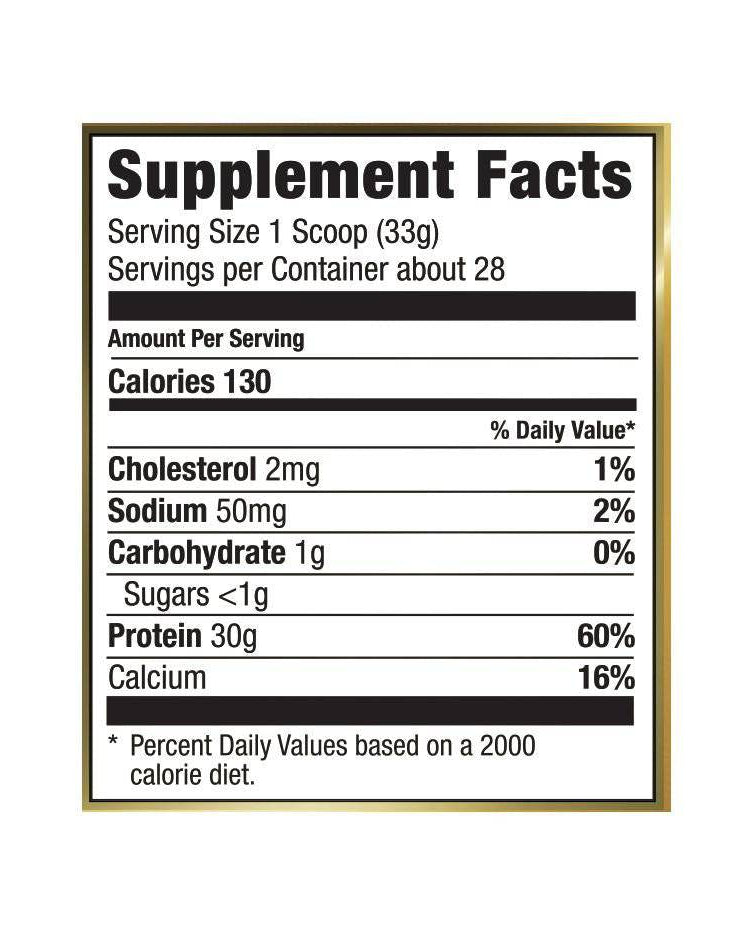
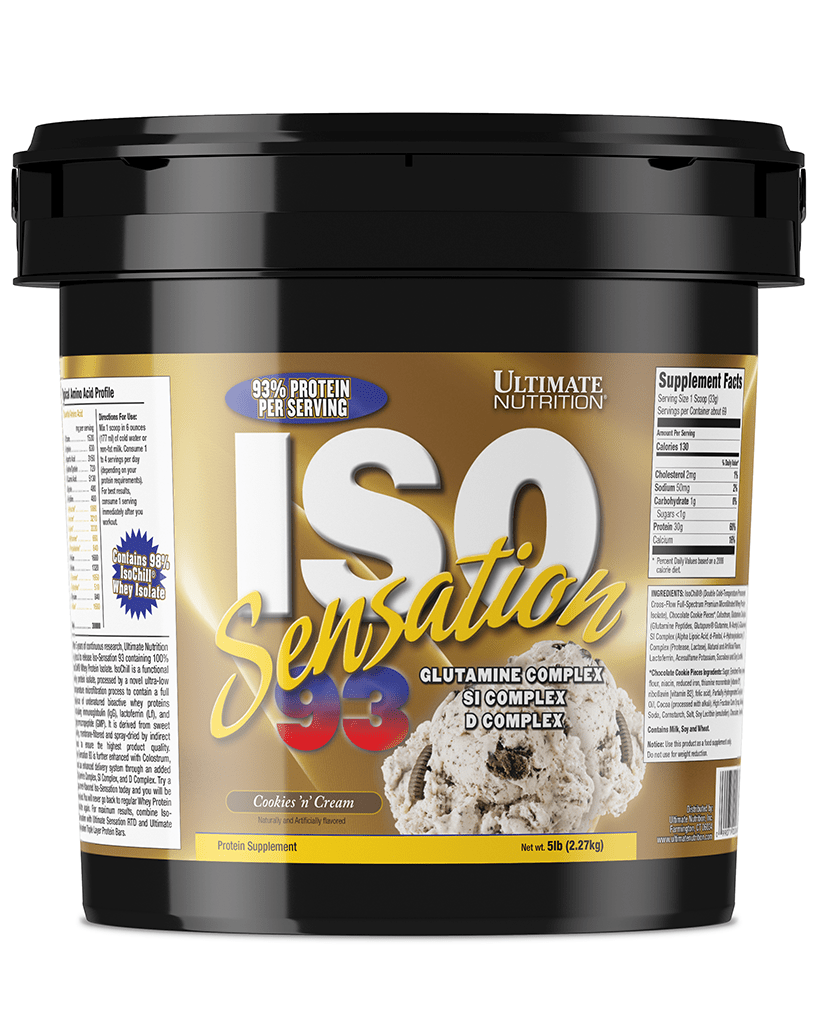
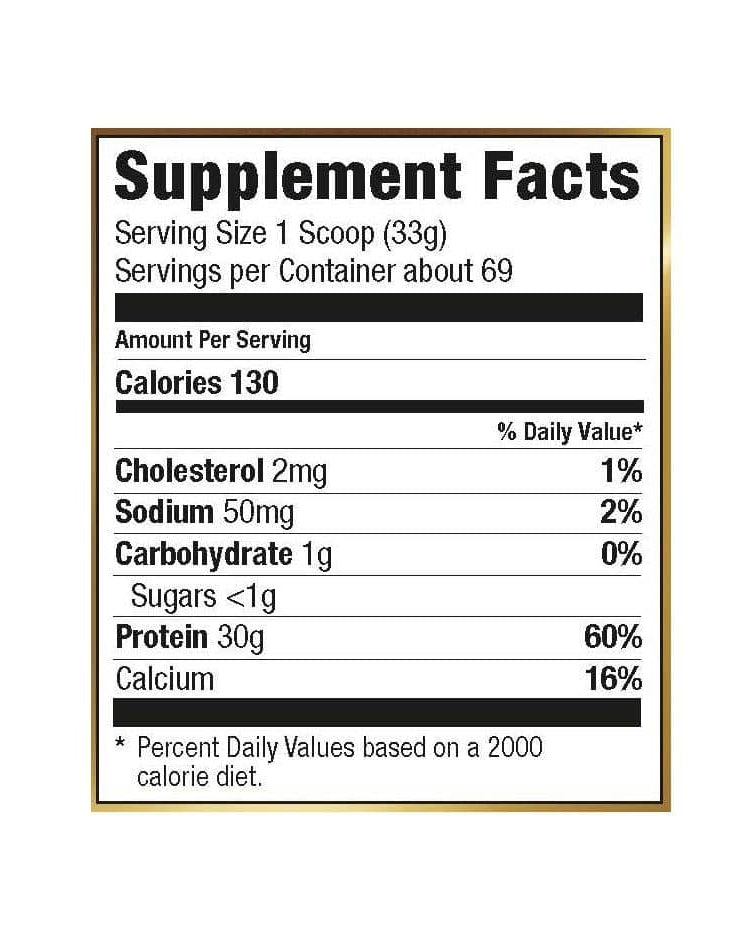
After 5 years of continuous research, Ultimate Nutrition is proud to release Iso-Sensation 93 containing 100% IsoChill® Whey Protein Isolate, Colostrum, Glutamine Complex, SI Complex, and D Complex.

Click Here For More Info...


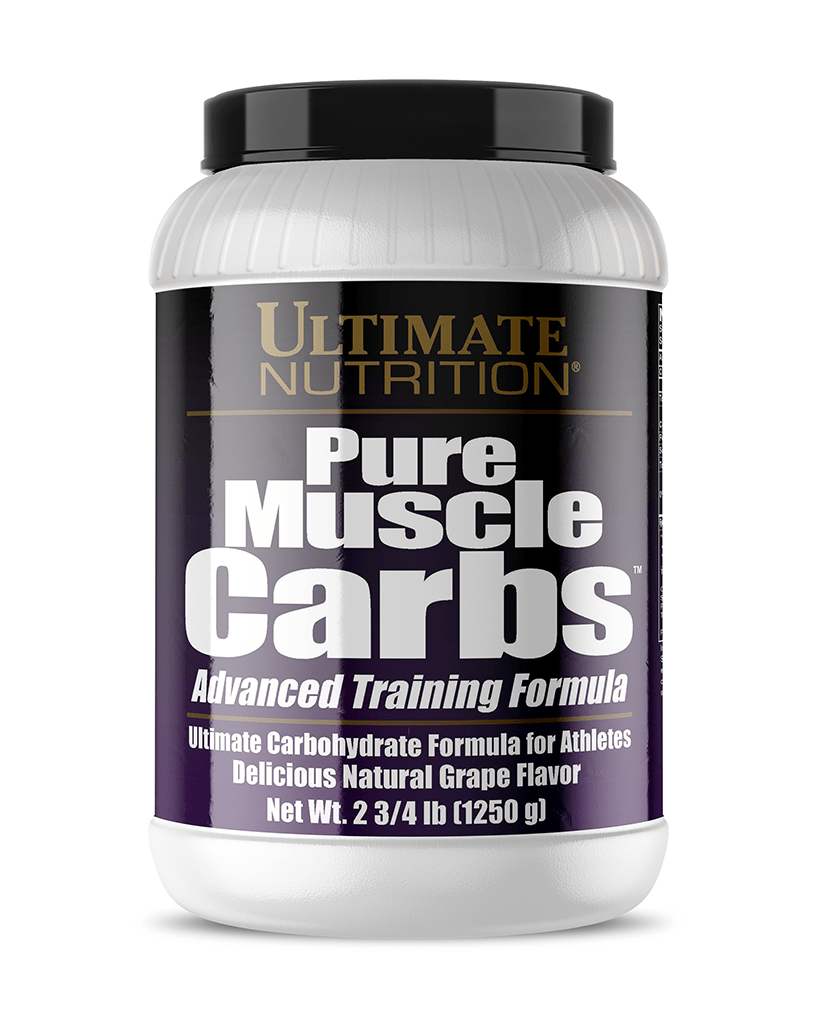
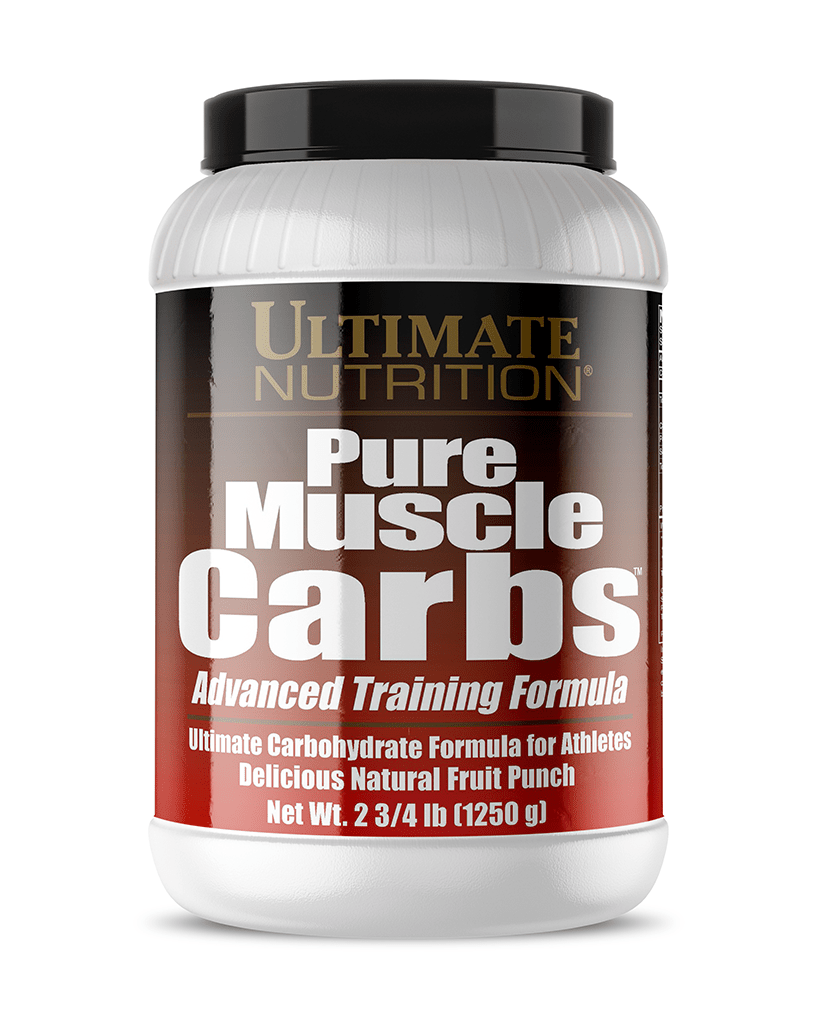
PURE MUSCLE CARBS

Carbohydrates can be derived from a number of sources, but none like Pure Muscle Carbs from Ultimate Nutrition. This pure formula provides a combination of different chain length sugars to ensure sustained and absolute uptake. Dedicated athletes count on this powdered, fruit punch flavored Pure Muscle Carbs for that extra boost of energy.
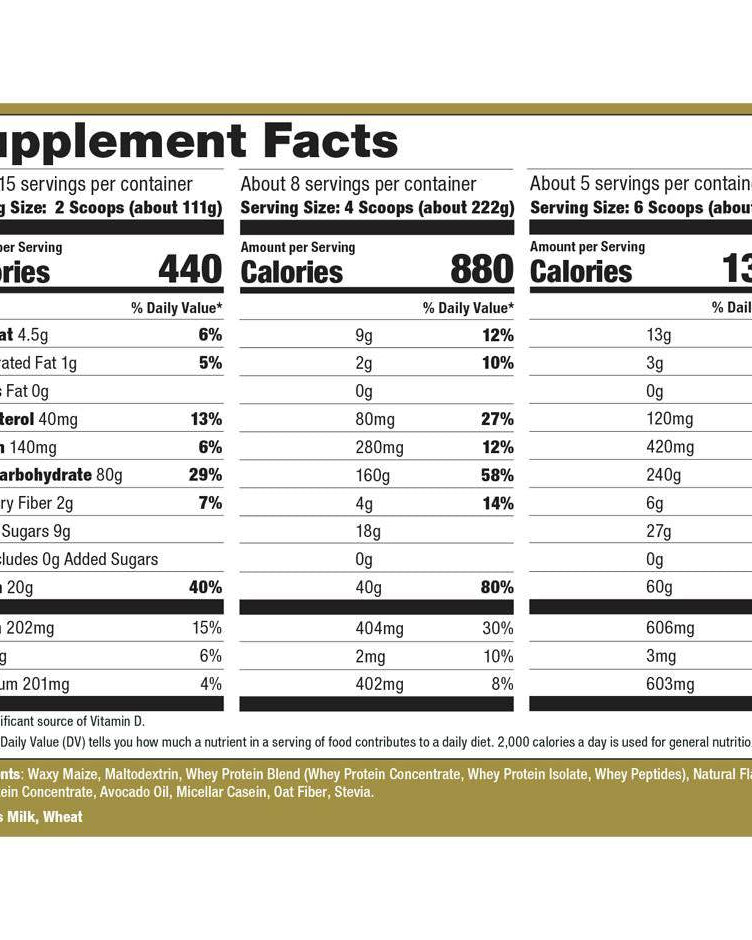
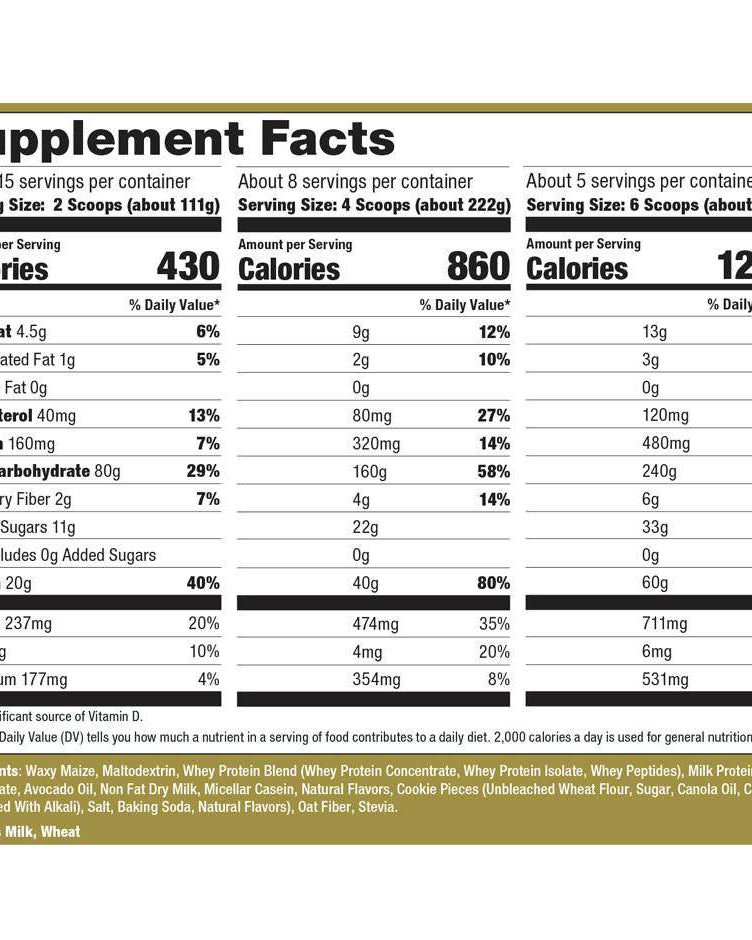
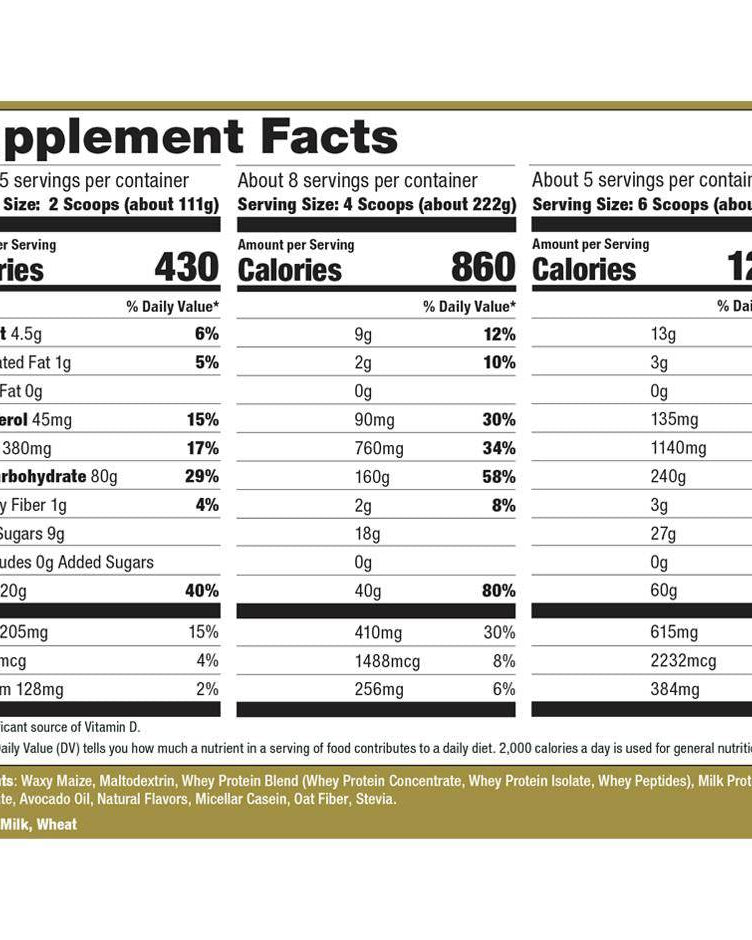
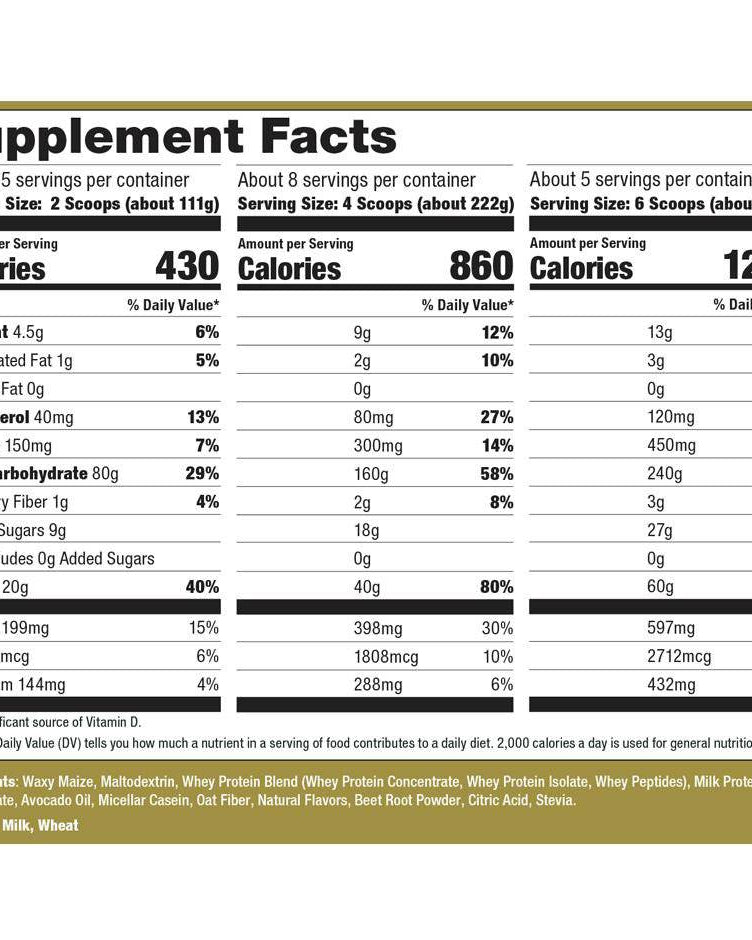
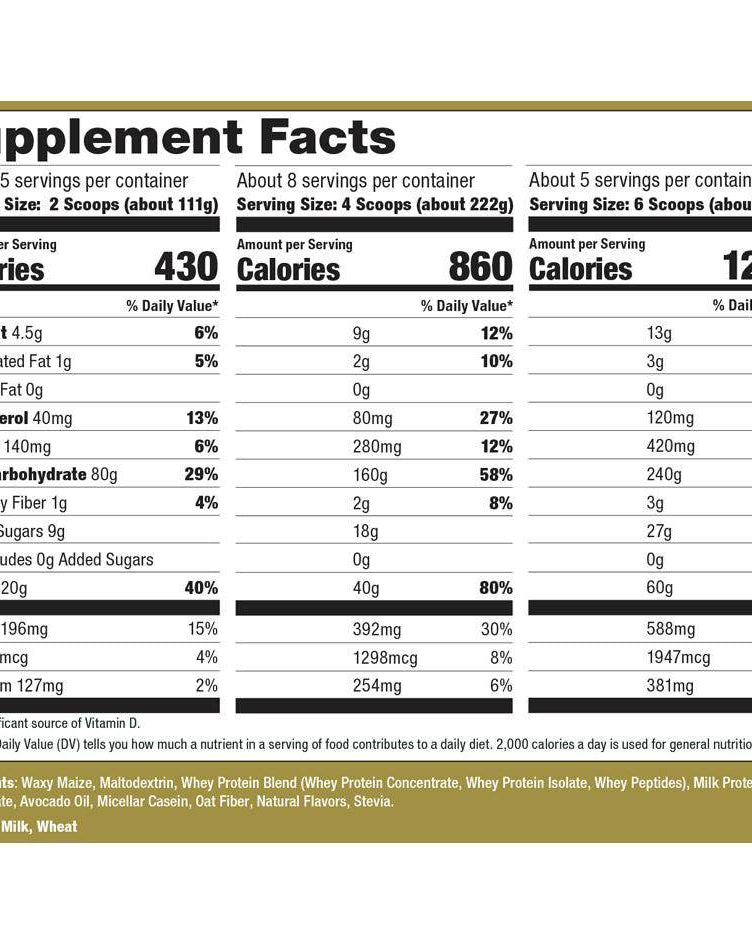
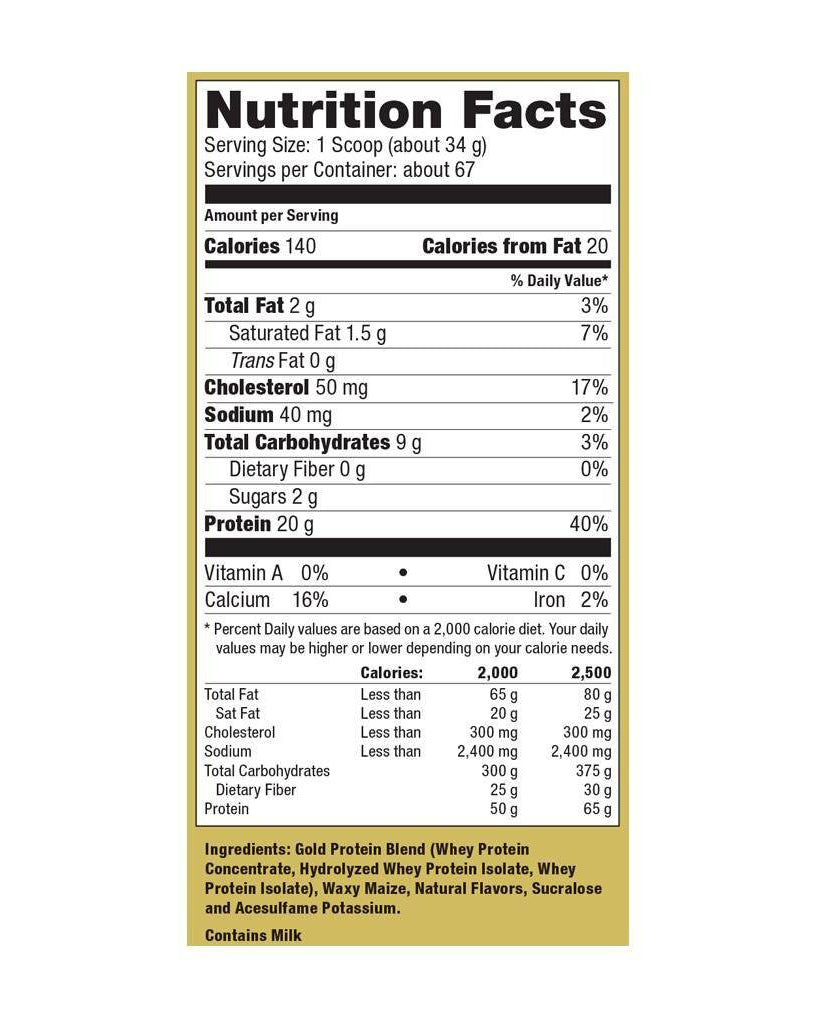
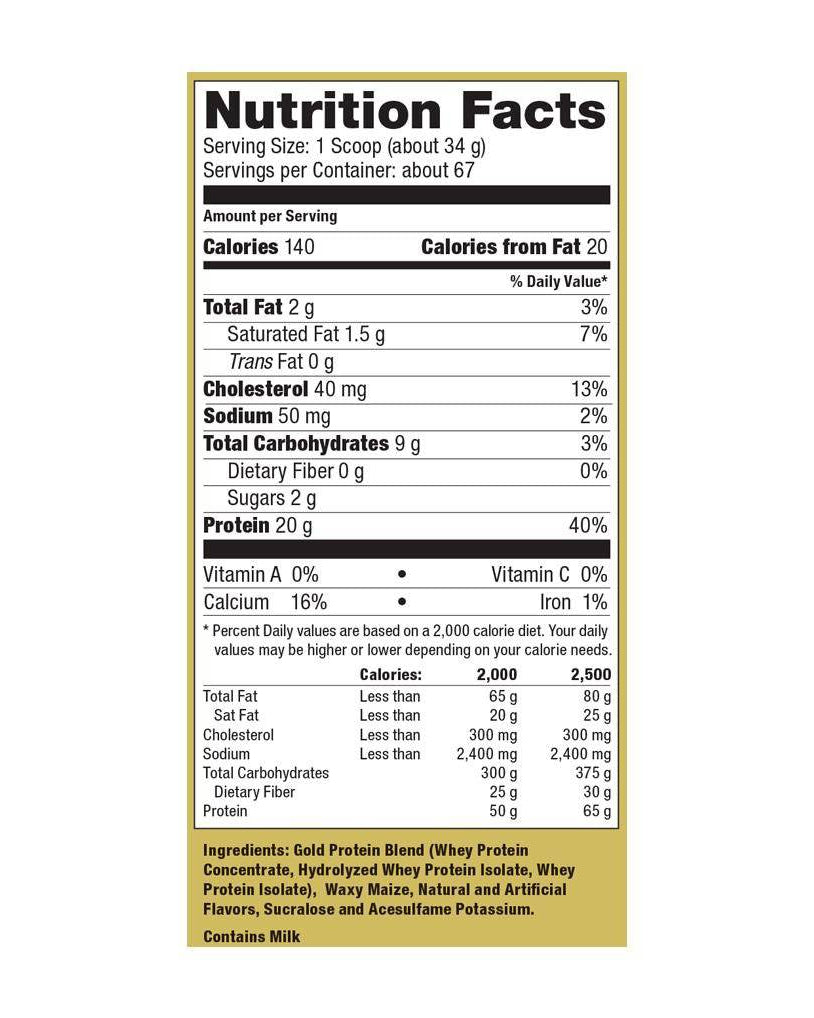
  Supplemental/Nutritional Facts
 2.76 lb Containers of Grape Download PDF File
2.76 lb Containers of Natural Fruit Punch Download PDF File
Any physical activity, but especially intense exercise, requires a recovery period. After high performance activity, the body recovers in three distinct phases. Rapid recovery phase begins immediately after the exercise and lasts roughly 30 minutes. In the phase, the metabolic rate returns to pre-exercise levels. It is followed by intermediate recovery phase, which lasts between 90 minutes to two hours. During this phase, the body begins to restore fluids by a process called rehydration. This is the most critical phase of recovery, which requires intake of carbohydrates. To facilitate rehydration, carbohydrates should be ingested as soon after an event or training session. Finally, in the longer phase of recovery, which can last from two to 20 hours, carbohydrate replenishment continues. It is during this longer phase recovery that the damage done to the muscle by heavy exercise is repaired.

Just as recovery and muscle repair both are important, carbohydrate ingestion ensures that event fatigue does not set in. Training and post-exercise nutrition are essential for consistent performance, but to prevent and delay event fatigue carbohydrate replenishment is equally important. This is achieved by high carbohydrate consumption in the days immediately preceding the event. This is also referred to as carbohydrate loading. Carbohydrate loading helps athletes to avoid "hitting the wall." Therefore, high carbohydrate regimen yields greatest benefits for endurance athletes. These athletes include long-distance swimmers, cross-country skiers, soccer players, long-distance runners (especially marathoners),, triathletes and, among others, long-distance bicyclists. In general, carbohydrate replenishment in most effective for any athletes who participates in an event lasting more than 90 minutes.

Ultimate Nutrition's Pure Muscle Carbs is specifically designed to help athletes recover from post-exercise strain and restore muscle strength and integrity quickly and efficiently. Pure Muscle Carbs is a unique combination of carbohydrates from natural sources, and contain no refined sugars. Furthermore, this powerful combination of carbohydrates has neither fat nor cholesterol. Equally important, it has the pleasant flavor of natural fruit punch that is refreshing as much as it is nutritious. If you exercise regularly, regardless of the intensity of exercise, Super Muscle Carbs will help you to restore muscle strength, enhance performance and promote good health.

SELECTED REFERENCES
  1. Thomas et al., "Plasma Glucose Levels after Prolonged Strenuous Exercise Correlate with Glycemic Response to Food Consumed Before Exercise," Intl. J. Sports Nutr.: 4, 361, 1994

  2. Hofman et al., "Glucose and Insulin Responses after Commonly Used Sport Feedings Before and after One-Hour Training Session," Intl. J. Sports Nutr.: 5, 194, 1995

  3. Anderson et al., "Pre-Exercise Meal Affects Ride Time to fatigue in Trained Cyclists," J. Am. Dietetic Assoc.: 94, 1152, 1994

  4. Piehl et al., "Time Course for Refilling of Glycogen Stores in Human Muscle Fibers Following Exercise-Induced Glycogen Depletion," Acta Physiol. Scand.: 90, 197, 1974

  5. De Marco et al., "Pre-Exercise carbohydrate Meals Application of Glycemic Index," Med. Sci. Sports Exer.: 31, 164, 1999

  6. Pizza et al., "A Carbohydrate Loading Regimen Improves High-Intensity, Short-Duration Exercise Performance," Intl. J. Sports Sci.: 1, 110, 1995

FREQUENTLY ASKED QUESTIONS
  1. How Much Carbohydrates Should Be Consumed?
    Ordinarily, three to five grams of carbohydrate per pound body weight is a reasonable amount to replenish sugars and to hasten the recovery phase and muscle repair.
     

  2. When Should Carbohydrates Be Taken?
    For maximal benefits, carbohydrates should be taken between workouts.
     

  3. What Foods have Ample Supply of Carbohydrates?
    Pasta, bread and vegetables are rich sources of carbohydrates. These foods contain the so-called complex carbohydrates, which contain long chains of natural sugars that are broken down during digestion. This digestive breakdown of complex sugars ensures a steady supply of glycogen.
     

  4. What is Glycogen?
    Carbohydrates are body's most readily available source of nutrient energy. During digestion carbohydrates are converted into glucose, which is used as an immediate source of "fuel." Glucose that is not directly used to provide energy is transported to the liver and muscle, where it is converted to glycogen. Thus, glycogen is the stored energy, which the body taps into when energy demands are placed on it. It should be noted that the glycogen storage capacity of liver and muscle is rather limited. Consequently, if carbohydrates are consumed in excess of what the body needs could be stored as fat in the adipose tissue.

     

  5. Could Carbohydrate Consumption Increase Body Weight?
    There have been no consistent reports of long-term gains in body weight with variations in glycogen levels. Any weight that an athlete puts on as a result of carbohydrate ingestion is likely water weight gain. It should be emphasized that water weight gain may actually be advantageous to the athlete: Extra water is used to keep the body temperature down by sweating during high-intensity exercise.
     

  6. How Is the Carbohydrate Intake Increased?
    Admittedly, maintenance of a diet comprising of a large percentage of calories from carbohydrates is rather difficult. It should be remembered that carbohydrates contain less than one-half of the calories contained in fat. In addition to carbohydrate regimen, carbohydrate intake can be increased by foods, such as pasta, breads, grains, cereals, and beans. In addition to carbohydrates, these foods also provide vitamins, minerals, fiber and protein. It is essential to avoid simple and refined sugars, since they do not have any nutritional value.

Farmington, CT 06034-0643 USA
Phone: (860) 409-7100 ext. 106 | Fax: (860) 409-7388
Copyright 2006 - 2008, Ultimate Nutrition, All Rights Reserved